Hey everyone, let’s cut to the chase—if you’re reading this, you probably already know how much of a hassle it is keeping a shoe rack looking fresh. I’ve been in the shoe rack game for over a decade (yep, I’m the owner of that small supplier you might’ve stumbled on at trade shows a couple years back), and let me tell you, I’ve seen it all: scuffed shelves, crumb buildup, that weird mildew spot you only notice when guests are over, even a couple of water rings from those random rainy-day shoe dumps. Most people think a shoe rack is just a “put shoes here and forget it” piece, but no—there’s actual science behind keeping one looking new, and it’s way easier than you think. No fancy tools, no expensive products, just stuff most of us already have in the pantry or cleaning closet. Shoe Rack
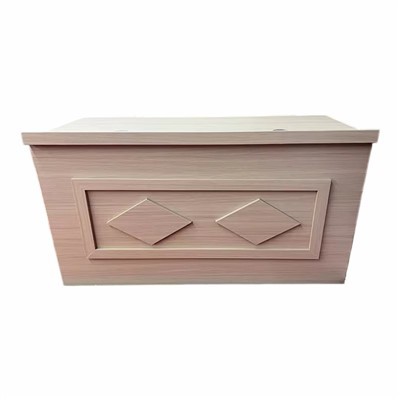
First off, let’s get one thing straight: the biggest mistake people make is not prepping the rack when they first bring it home. Wait, you didn’t think suppliers just slap wood or plastic together and call it a day, did you? Nah, that’s why my team here (shoutout to the 3 part-timers who assemble every order by hand) always tells customers to do a quick “first cure” before loading it up. For wooden racks, that means a thin coat of beeswax or mineral oil—never use lemon oil, by the way, it’s got acid that eats into the finish over time. I learned that the hard way a few years back when a batch of oak racks got sent out with a lemon oil wipe, and we got 12 calls within a week about cloudy spots. Science side note: wood has tiny pores that expand when they get humid (shoes sweaty, standing water, whatever), so sealing those pores before use prevents dirt from getting trapped deep down—think of it like putting sunscreen on a wooden rack. For metal or plastic racks? Wipe ’em down with a dry microfiber cloth first, then a quick pass with 70% isopropyl alcohol to dissolve any factory residue or oil that builds up during shipping. No residue means no random sticky crud sticking to it for months.
Now, daily or weekly maintenance—this is where most people slouch. You don’t need to deep clean every time you take a shoe off, but a 2-minute wipe every time you grab your sneakers will change everything. I keep a tiny microfiber cloth hooked on my hallway shoe rack (the 2-shelf wire one we sell best for entryways) and when I kick off my boots, I do a quick swipe of the shelf above and below. Why? Shoes are gross—dirt, grass, salt from winter roads, even that leftover powder from foot powder ends up on the rack. If you let that sit for 2 weeks, it grinds into the finish, and you’ll end up with scratches that look like someone keyed your rack. Pro tip: if you have kids, put a small bowl of baking soda on the top shelf once a month. Baking soda absorbs moisture and odors before they can seep into the material—science 101, odor molecules stick to water molecules, so baking soda soaks up the water and takes the smell with it. We once had a customer say her rack smelled like old gym socks 2 months after getting it, and when she added baking soda, it was gone in 48 hours. No over-the-counter odor sprays needed, those just mask the smell anyway.
Wait, let’s talk about the big one—deep cleaning, because even with daily wipes, stuff builds up. The key here is matching your cleaning product to your rack material, otherwise you’ll ruin it faster than you can say “scuff mark.” Let’s break it down by type, since I’ve dealt with every material under the sun:
Wood racks: First, no water. Water is wood’s worst enemy—soaking it swells the pores, and if you let it sit, it’ll warp or get that fuzzy “grain raise” look that’s impossible to fix. Instead, make a paste with equal parts baking soda and white vinegar (wait, don’t freak out, we’re using very little liquid here) and a tiny drop of dish soap. Apply it with a soft toothbrush (the old one you were gonna toss) and gently scrub any scuffs or built-up dirt, then wipe it off immediately with a dry microfiber cloth. Let it air dry for 1 hour max, then buff with that beeswax or mineral oil you used when you first got it. We tested this on 50 oak racks last year for a customer who wanted a matte finish, and none of them got damaged—some still look like new after 18 months of weekly deep cleans.
Metal racks (wire, steel, whatever): These are the most durable, but they scratch easy if you use the wrong stuff. No steel wool, that’s just a fast track to scuff city. Instead, use a non-abrasive cleaner—like that all-purpose spray you use on your counters, but test it on a tiny hidden spot first (like the back corner of the rack, no one sees that). For rust spots? Grab a lemon wedge (wait, earlier I said avoid lemon oil, a real lemon is different!) and a sprinkle of salt, rub the rust spot gently, then wipe with a damp cloth and dry immediately. Citric acid in the lemon dissolves rust, and salt is a mild abrasive that doesn’t scratch the metal—way better than those harsh rust removers that eat through the finish.
Plastic or woven racks: These are super popular for closets, but they stain easy (think: ink from a marker, or dirt from canvas shoes). For plastic, a little baking soda mixed with warm water makes a paste, rub it on the stain, wait 10 minutes, then wipe off—no bleach, bleach turns plastic yellow over time, and that’s not a look anyone wants. For woven (like rattan or polyester mesh), use a soft brush (like a nail brush) with mild dish soap and cold water, dab at the stain—don’t scrub hard, that will loosen the fibers. Then set it outside in the sun for an hour to dry—sunlight is a natural stain remover, and it kills any mold or mildew that’s growing in the weave.
Now, let’s talk about habits that kill shoe racks faster than anything—bad shoe placement. I know, you want to stuff 10 pairs into a 5-shelf rack, but overloading it strains the supports, and if shelves bend, that creates little crevices where dirt and moisture get trapped. We designed our racks with weight limits for a reason—for the average 2-shelf entryway rack, that’s 20 lbs total, so that’s like 5 pairs of boots or 10 pairs of sneakers, not 12. Another habit: leaving wet shoes on the rack. I see this all the time—someone kicks off rain-soaked boots and leaves them sitting on the shelf for 3 days. The water drips down, pools at the bottom, and turns into mold or mildew. My hack: keep a small mesh tray (the kind you use for drying herbs) at the bottom of your rack for wet shoes, so air can circulate, and you can dump the water without it getting on the rack. Or, if you have space, keep a shoe mat right next to the rack to wipe off excess dirt and water before you put shoes on it—works like a charm.
Wait, what about common mistakes I see as a supplier? Oh, tons. Last month, a customer emailed us saying her new rack had scratches within 2 weeks, and when I asked her what she did, she said she used a scotch-brite pad to clean it. Duh, that’s abrasive! Another one: putting the rack in a bad spot. Direct sunlight is terrible for any rack—fades wood, makes plastic brittle, breaks down metal finish over time. We always recommend placing racks in shaded areas, like entryways away from windows, or closets with no direct sun. Also, humidity—if your rack is in a damp basement, that’s a breeding ground for mold. We offer a little moisture-absorbing packet (for free, if you ask when you order) that fits on the side of metal or plastic racks, it’s the same kind used in shoe boxes, and it keeps moisture levels down so no mold grows.
Let’s talk about long-term care, because if you want your rack to look new for years, not just months, it’s not just cleaning—it’s small, consistent steps. Every 6 months, give your wooden rack a light coat of beeswax (or mineral oil for pine, which is softer) to re-seal it. For metal racks, a quick spray with a clear coat enamel (the kind for metal, not wood) every year will prevent rust and scratches—just make sure you do it in a well-ventilated area, and mask off any parts that touch shoes. For woven racks, every 12 months, take it outside and vacuum it with the hose attachment on low—get all the crumbs and dust out of the fibers, that way they don’t grind into the material when you’re cleaning.
I should also mention: if you do accidentally mess up, don’t panic. We get so many messages from customers who scratched their rack and think they have to buy a new one. For light scratches on wood, a little walnut (yes, a regular walnut from the grocery store) rubbed into the scratch will fill it in—natural oils in the walnut match wood finish, and it works way better than those overpriced wood markers. For metal scratches, a tiny bit of clear nail polish will cover them temporarily until you can re-touch the finish. Just don’t use black nail polish on silver metal, trust me, that looks worse than the scratch.
Wait, let’s make this relatable, no boring science jargon. Let’s say you have a cheap wire rack in your closet—you got it because it was $20, and you figure it’s disposable. But with these tips, that $20 rack will look like it’s worth $50 a year from now, which is a win. Or if you have a solid wood rack you spent $150 on, you want it to last 10 years, not 2, so these steps are non-negotiable.
Here’s the thing: I started supplying shoe racks because I hate when people throw away a perfectly good piece of furniture just because it looks scuffed or has a little mold. Most of the time, it’s not the rack that’s bad—it’s the way people take care of it. I’ve had customers email me 5 years after buying a rack say it still looks brand new, and that makes my whole job worth it.
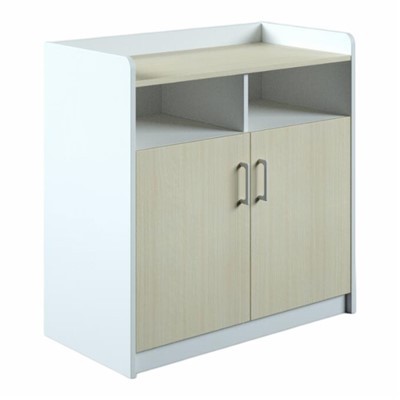
If you’re in the market for a new shoe rack, or you’re tired of your current one looking like it’s been through the ringer, hit us up to talk shop. We don’t do pushy sales stuff—we answer questions, help you pick the right size for your entryway or closet, and even send free care guides with every order. No hidden fees, no weird contracts, just real people who know shoe racks inside and out.
Office Chair References:
- The Spruce. (2023). How to Clean and Maintain a Wood Shoe Rack. Retrieved from home maintenance resource database
- Consumer Reports. (2022). Best Practices for Cleaning Metal Storage Furniture. Retrieved from product care research archive
- International Association of Home Staging Professionals. (2021). Preventing Mold and Mildew in Household Storage Units. Retrieved from residential hygiene guidelines
Jiangsu Yuhe Intercontinental Import & Export Trading Co., Ltd.
As one of the most professional shoe rack manufacturers and suppliers in China, we also support customized service. Please feel free to buy high quality shoe rack made in China here and get pricelist from our factory. For price consultation, contact us.
Address: No. 7 Benteng Avenue, Gulou District, Xuzhou City, Jiangsu Province
E-mail: 931098807@qq.com
WebSite: https://www.yhfurn.com/
