Hey folks, let’s cut to the chase—if you’ve ever worked with chemicals, especially in food production, cleaning, or even agriculture, you’ve probably heard the terms organic acids and inorganic acids thrown around. And if you’re sourcing these for your business, you know picking the right one isn’t just a detail—it can make or break your batch, your budget, or even your compliance. As someone who’s been supplying organic acids for years, I’ve seen way too many companies mix these up, and that’s where mistakes happen. Today, I’m breaking down exactly how they’re different, no stuffy textbook jargon, just real talk from someone who lives and breathes this stuff. Organic Acids
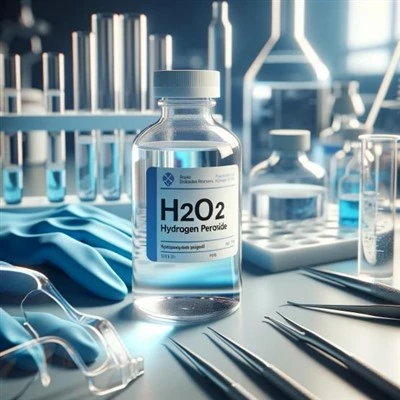
First, let’s nail the basics: what even are acids? Both organic and inorganic fit the classic acid bill—they release hydrogen ions (H+) in water, which is what makes things acidic. But that’s where the similarities end. The big, defining difference? Organic acids have a carbon backbone, inorganic acids don’t. Wait, hold on—carbon backbone isn’t just “has carbon” (thanks, chem 101). Let’s clarify: carbon is the building block of life, right? Organic acids are basically carbon-based molecules with that acidic group (usually a carboxyl group, -COOH) stuck to the end. Think of it like a carbon chain or ring with that “sour” tag. Inorganic acids? They’re made from mineral stuff, no carbon chains—just simpler, element-based structures like hydrogen, sulfur, or chlorine. That might sound trivial, but this one difference is why every other part of their behavior is totally unique.
Let’s start with where they come from, because that’s a huge point for most of our customers. Organic acids are natural—well, mostly. Some we extract from plants, fruits, or fermented stuff, others we make via gentle biological fermentation, but they’re rooted in living organisms. Citric acid? That’s from citrus peels or sugarcane fermentation. Lactic acid? Produced by bacteria fermenting milk or corn. Acetic acid? Good old vinegar, which is just fermented alcohol. Inorganic acids? They’re mined or synthesized from minerals. Sulfuric acid, the workhorse of industrial chemistry? Made from burning sulfur or processing sulfide ores. Hydrochloric acid? Usually derived from salt (sodium chloride) via chemical reactions. Nitric acid? Synthesized from ammonia, which comes from natural gas, not living things. That natural origin isn’t just a marketing buzzword— it matters for things like food safety, sustainability claims, and how they behave in real-world use.
Next, strength and pH. This is another area where people get confused, so let’s set the record straight. Acid strength isn’t about how “organic” or “inorganic” something is—it’s about how many H+ ions they release when dissolved in water. Inorganic acids are almost always strong acids, meaning they dissociate completely in water. So a 1M solution of hydrochloric acid has way more H+ ions than, say, a 1M solution of citric acid, which is a weak organic acid. Wait, but don’t let that trick you—some organic acids are pretty strong too, like oxalic acid (found in spinach) or citric acid in high concentrations. But generally, inorganic acids pack a bigger punch in terms of acidity. That’s why we use sulfuric acid for things like battery acid or industrial cleaning—they’re really effective at dissolving minerals, but they’re also way more corrosive, which brings me to another big difference: corrosiveness.
Inorganic acids are way more corrosive, full stop. Strong inorganic acids like hydrofluoric or sulfuric acid can eat through metal, stone, even skin and fabric. You need heavy duty PPE to handle them. Organic acids? They’re way milder. Even strong ones like oxalic acid are much less aggressive. Citric acid, for example, is the stuff you use to clean your coffee pot—gentle enough to wipe out mineral buildup without eating through the machine. That’s a huge deal for our customers: food manufacturers, for one, can’t use super corrosive stuff on equipment that touches food. And agricultural operations—using corrosive acids would damage crops or soil, so organic acids are the go-to there. But wait, let’s not pretend organic acids are totally harmless. Oxalic acid can irritate skin if you leave it on too long, right? But compared to inorganic, the risk is way lower.
Now, real-world applications—this is where our customers actually care. Let’s break down common use cases so you can see the difference in action. For food and beverage production: organic acids are everywhere. We use citric acid as a flavor enhancer in soda and candy, lactic acid as a preservative in baked goods and meat, acetic acid in vinegar and pickles. They’re GRAS (Generally Recognized As Safe) by the FDA, so you don’t have to jump through a million hoops to use them in food. Inorganic acids? They’re used in industrial food processing—like refining sugar, or cleaning industrial mixing tanks, but they can’t be directly added to food, obviously. Another area: agriculture. Farmers use organic acids to adjust soil pH, boost nutrient uptake (phosphorus, for example), and even control mold on crops. Inorganic acids? Too harsh for soil—they’d mess up the microbial balance and kill beneficial bacteria, so they’re not practical here. Cleaning products: household cleaners—organic acids like citric acid or malic acid are in bathroom cleaners, dishwasher tabs, because they’re safe around kids and pets. Industrial heavy-duty cleaners? They use sulfuric or phosphoric acid to get rid of rust and heavy mineral deposits.
Sustainability is another big one right now, and our customers are asking about this all the time. Organic acids, when produced via fermentation, have a way lower carbon footprint. We source most of our organic acids from renewable feedstocks—sugarcane, corn, fruit waste—so we’re turning agricultural byproducts into useful ingredients. That’s a big plus for companies that are pushing for net zero or want to market their products as more eco-friendly. Inorganic acids? They’re derived from finite minerals, and the synthesis process is energy-intensive. Sulfuric acid production, for example, releases a lot of greenhouse gases. So if sustainability is a top priority (and let’s be real, it should be for every business these days), organic acids are the clear choice.
Wait, but let’s address a common myth: people think all organic acids are “natural” and all inorganic are “synthetic.” Sort of, but not exactly. We do make some organic acids synthetically, but they’re chemically identical to the natural ones. That’s important because synthetic organic acids still have the same benefits—they’re carbon-based, mild, safe for food, etc. The line is still the carbon backbone, not the production method. Inorganic acids, though, are almost never found in nature in their pure, usable form—they’re always processed from minerals.
Now, what does this mean for you, the person sourcing these acids? If you’re in food, beverage, agriculture, or even cosmetics (a lot of skincare uses organic acids for exfoliation), organic acids are going to check most of your boxes: safe, versatile, low corrosivity, good sustainability. If you’re in industrial manufacturing, mining, or heavy-duty cleaning, you might need inorganic acids because their strength is exactly what you need for those tough jobs. But here’s the thing: a lot of companies overcomplicate it. They see “acid” and just grab whatever’s cheapest, but that can lead to problems—like a food batch failing safety tests, or soil getting damaged, or even equipment corroding prematurely.
As an organic acids supplier, I don’t just sell you a product—I help you pick the right one for your specific use. For example, a craft brewery might need lactic acid to adjust mash pH without messing with flavor, whereas a metal plating shop would need sulfuric acid to etch metal. We work with you to understand your end goal, your compliance requirements, your budget, so you don’t waste money on the wrong acid.
Let me wrap this up with some quick, no-fluff takeaways so you don’t forget: 1. Core difference: organic = carbon backbone, inorganic = mineral-based, no carbon chains. 2. Strength: Inorganic are usually strong, corrosive; organic are usually mild, safer for most everyday use. 3. Origin: Organic come from natural/renewable sources, great for food, agriculture, eco-friendly goals. 4. Use case: Match the acid to your job—don’t use a sledgehammer (inorganic) for a nail (gentle, everyday tasks).
If you’re ready to stop guessing and source organic acids that fit your needs, whether it’s for food production, agricultural applications, cleaning formulations, or anything else, just reach out to our team. We’ll walk you through the options, answer all your questions, and make sure you get the right product at a price that works for you. No sales pitch, just honest advice from people who’ve been doing this for years.
Inorganic Powders & Inorganic Compounds References
- Campbell, M. K., & Farrell, S. O. (2021). Biochemistry (7th ed.). Cengage Learning.
- Kirk-Othmer Encyclopedia of Chemical Technology. (2020). John Wiley & Sons.
- Food and Drug Administration. (2022). Generally Recognized As Safe (GRAS) List. U.S. Department of Health and Human Services.
- Zhang, Y., et al. (2019). "Sustainable production of organic acids from renewable feedstocks." Journal of Cleaner Production, vol. 229, pp. 1124-1135.
Shanghai Dingwujin Chemical Co., Ltd.
Shanghai Dingwujin Chemical Co., Ltd. is one of the most professional organic acids suppliers in China. We cooperate with qualified Chinese manufacturers and provide high quality customized service. With over a decade of experience in local chemical trade, we have long been deeply engaged in the markets of EU Central & Eastern Europe, the Western Balkans, Ukraine and Moldova. Welcome to buy bulk high quality organic acids made in China here from our company.
Address: No. 12, Lane 199, Yefan Road, Yexie Town, Songjiang District, Shanghai, P.R.China
E-mail: dwjchem@dwjchem.com
WebSite: https://www.7dchem.com/
