As the owner of a pre-made pouches supply business, I’ve lost count of how many times a prospective client has reached out with the same basic question in their first email: “Do your pre-made pouches have a zip-lock closure?” It’s a fair question—closure type often makes or breaks whether a pouch works for a product, whether it’s snack food, pet treats, craft supplies, or even pharmaceutical samples. Over the years, I’ve come to realize this question isn’t just about a small plastic strip, either. It’s about shelf life, consumer convenience, product integrity, and even sustainability. Let me break down what I tell every person who asks, because the answer isn’t as one-size-fits-all as you might think. Pre-made Pouches
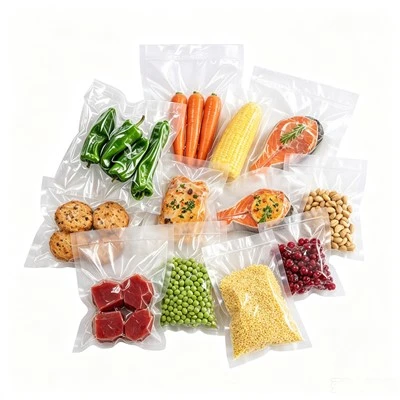
First, let’s start with what a zip-lock closure actually is, for anyone who might not know the technical basics. Zip-lock closures (sometimes called reclosable zippers, press-and-seal zippers, or just “zippers” in packaging terms) consist of two interlocking plastic strips, usually made from low-density polyethylene (LDPE), that are molded onto the opening of a pouch. When pressed together, the ridges snap into place to create an airtight, resealable seal. That’s different from other common pouch closures, like heat seals, which are permanent (you cut the top of the pouch to open it, and that’s it) or tear-notches, which help you open the pouch easily but don’t offer any resealing at all.
Now, the big question: do pre-made pouches have zip-lock closures? The short answer is: sometimes, but it’s entirely customizable, and that’s a core part of what we offer as a supplier. When a client comes to us looking for pre-made pouches, the first thing we walk through is their end product, their goals for the packaging, and their budget—and all of that shapes whether a zip-lock is the right choice, or if another closure makes more sense.
Let’s talk about when a zip-lock is the ideal closure, because that’s where most of our demand comes from. If you’re packaging something that will be used over multiple sittings? A zip-lock is non-negotiable. Think about a bag of artisanal trail mix, a bag of homemade dog treats, a box of craft beads, or even a bag of coffee that you grind weekly. Without a resealable closure, the product will go stale, absorb moisture, or get contaminated after the first opening. Last year, we worked with a small specialty snack brand that was using permanent heat-seal pouches for their roasted pumpkin seeds. They came to us because their sales had plateaued—their customers were complaining that half the bag went stale before they could finish it, and many were switching to competing brands that offered resealable pouches. We switched them to our standard stand-up pouches with heavy-duty zip-lock closures, and within six months, their repeat customer rate went up by 38%. That’s the kind of tangible difference the right closure makes.
Zip-lock closures also come with different grades, too—something many first-time buyers don’t realize. We don’t just offer one generic zip-lock; we have options for every use case. For example, our standard LDPE zip-lock works great for dry goods that need basic resealing. But if you’re packaging something that needs extra protection, like freeze-dried fruit or medical samples that need to stay contaminant-free, we offer heavy-duty, airtight zip-locks that are pressure-tested to hold up to 10,000 seals without losing their integrity. We even have what we call “child-resistant zip-locks” for products like vitamins or small craft supplies that need extra safety for households with young kids. That’s a huge differentiator for us as a supplier—we don’t just sell a pouch; we match the closure to the exact needs of the product inside.
That said, a zip-lock closure isn’t always the best choice, and part of our job is being honest with clients when it’s not, even if that means we don’t make the sale on that specific order. For example, if you’re packaging a single-use product—like a single serving of protein powder, a travel-sized detergent pod, or a pharmaceutical single-dose packet—adding a zip-lock would add unnecessary cost, increase waste, and add bulk that doesn’t make sense. In those cases, a permanent heat seal, tear-notch, or even a stick-on tamper-evident closure is a better, more cost-effective choice. We recently had a client who initially asked for zip-lock pouches for their single-serve herbal tea bags. After explaining that a zip-lock would add 15% to their per-unit cost for no real benefit, they went with heat-seal pouches with a small tear-notch, and ended up saving enough money to invest in a new batch of flavor testing. That’s the kind of partnership we aim for, not just transactional sales.
Another common question we get: what about stand-up pouches vs. flat pouches? Do zip-locks work for both? The answer is yes, but again, customizable. Stand-up pouches (the kind that sit on store shelves) are the most popular for clients wanting zip-lock closures, because the ability to reseal keeps the product looking neat on the shelf and extending its shelf life. But we also offer zip-lock closures for flat pouches, which are often used for mailing or smaller product runs. We even have resealable zip-locks for our spout pouches, which are used for liquids like salad dressings, baby food, or dish soap. That versatility is why pre-made pouches are such a popular packaging option across so many industries.
Now, let’s get into a common misconception about zip-lock closures and sustainability, because that’s a big topic right now in packaging. Some people assume that adding a zip-lock makes a pouch less recyclable, but that’s not universally true. It depends on the type of zip-lock and the recycling program in place. Most standard LDPE zip-locks are recyclable with other LDPE plastics, as long as you remove them from the pouch first (or some recycling facilities now accept them as part of the whole pouch, as long as the pouch is a mono-material LDPE). We also offer what we call “recycle-ready zip-locks” that are designed to be compatible with standard recycling streams, so clients who are focused on sustainability don’t have to choose between a resealable closure and eco-friendly packaging. For example, we worked with a client who makes organic nuts and wanted zero-waste packaging; we paired our mono-material LDPE stand-up pouches with a standard zip-lock, and they were able to market their packaging as 100% recyclable, which helped them capture a niche of eco-conscious shoppers.
Over the years, I’ve also seen some common mistakes clients make when choosing a zip-lock closure for their pre-made pouches. One is choosing a closure that’s too weak for their product. A few years back, we had a pet treat brand that switched to our pre-made pouches with a basic zip-lock, and within a month, they were back to us saying that the zippers were breaking in shipping, leading to treats spilling and getting damaged. Turns out, they were shipping their pouches internationally, so the basic zip-lock wasn’t holding up to the pressure of being stacked in cargo. We swapped them for our heavy-duty shipping-grade zip-locks, and the issue was solved. Another mistake is adding a zip-lock when it’s not needed, which we touched on earlier—some brands think a resealable closure is a “premium” add-on that will make their product feel higher-end, but if their product is single-use, that extra cost just eats into their margins without adding any real value for their customers.
So, to circle back to the original question: do pre-made pouches have a zip-lock closure? The answer, from a supplier who’s been in this industry for over a decade, is that it’s entirely up to you. We make pre-made pouches for every need, with or without zip-lock closures, in every size, material, and grade you could want. Whether you’re a small startup looking for a custom pouch for your first product run, a mid-sized brand looking to switch from outdated packaging, or a large corporation needing bulk orders that meet strict quality standards, we can tailor a pouch to fit your exact needs—including a zip-lock closure if that’s what your product requires.
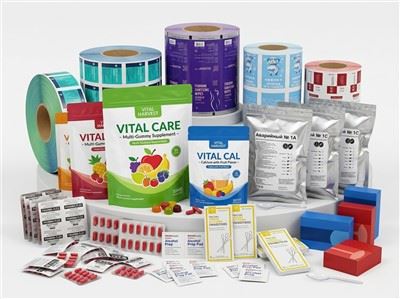
If you’re unsure what kind of closure is right for your next product, don’t hesitate to reach out. We’re not just here to sell you a pouch; we’re here to help you make the best packaging decision for your product, your customers, and your business. Whether you have a sketch of your product, a list of requirements, or even just a rough idea of what you need, we can walk through the options, answer all your questions, and help you create packaging that works as hard as your product does.
Medical & Pharmaceutical Packaging Solutions Ready to learn more about our pre-made pouches and closure options? Get in touch today to discuss your project with our team of packaging experts. We can provide custom quotes, samples, and guidance every step of the way to make sure your packaging is exactly what you need.
References
- The Flexible Packaging Association. (2022). Reclosable Packaging: Benefits, Materials, and Recycling Considerations. FPA Industry Guidelines.
- Sustainable Packaging Coalition. (2023). Mono-Material Flexible Packaging Design Guidelines for Resealability and Recyclability. SPC Technical Report Series.
- NielsenIQ. (2021). Consumer Packaging Preferences: Resealable Closures Drive Repeat Purchase Behavior. Retail Packaging Insights Report.
- American Society for Testing and Materials (ASTM). (2020). Standard Test Method for Seal Integrity of Reclosable Plastic Barrier Pouches. ASTM D7031-20.
Qingdao Senlida Packing Co., Ltd.
Qingdao Senlida Packing Co., Ltd. is one of the most experienced pre-made pouches manufacturers and suppliers in China since 1995. With a professional production team, we are able to meet the needs of the majority of our customers. Please feel free to buy high quality packing products at competitive price from our factory.
Address: No.299 Feichao Road, Luwang Town, Huangdao District, Qingdao, Shandong Province, China.
E-mail: liuxh@qdsenlida.com
WebSite: https://www.senlidapacking.com/
