If you’re a shipper dealing with oversized cargo—think big machinery, industrial equipment, oversized vehicles, or even custom-built construction parts—you’ve probably stared at your logistics paperwork and wondered: “Wait, can I actually use US LDP ocean transport for this?” Short answer: YES, but it’s not as straightforward as cramming a big box into a standard container, and that’s where we come in as your go-to US LDP ocean transportation provider. I’ve worked with hundreds of shippers over the past decade, and the number one question I get isn’t “how to ship” it’s “can my oversize stuff even make the cut.” Let’s break this down like we’re chatting over a coffee (no stuffy jargon, promise) because I know oversize cargo can feel overwhelming. First, let’s get what LDP even means here—LDP stands for Landed Duty Paid, right? For those who don’t geek out on trade terms, that means we handle every step from port of origin all the way to your buyer’s door in the US: ocean shipping, customs clearance, duties, taxes, even last-mile delivery to their facility. That’s a huge win for oversize cargo because most traditional ocean freight companies will pass you off to a random trucker for the final leg, and suddenly you’re juggling 3 different vendors for a load that’s already tricky. But here’s the catch: oversized cargo doesn’t fit into the standard 20ft or 40ft dry van containers most people use. We’re talking about cargo that exceeds 8ft 6in in height or width (the standard max for ocean containers), or weighs more than 44,000 lbs—sometimes way more, like construction cranes, wind turbine blades, or industrial generators that tip the scale at 100k lbs+. So how do we handle that? We roll out specialized equipment: open-top containers, flat racks, even breakbulk vessels. Flat racks are perfect for cargo that’s too wide or too long to fit in a closed container—we’ve hauled 60ft-long industrial conveyor belts and 12ft-wide farm equipment on these, no problem. Open-top containers work for tall cargo, because you can load from the top with a crane instead of squeezing through the small container door. Breakbulk is for really massive stuff that’s too big to fit on a container at all—like a 50-ton boiler, which we load directly onto the ship’s deck with heavy-lift cranes. But here’s the thing: using US LDP for oversize cargo isn’t just about the shipping gear. There’s a whole checklist you need to run through before you book, and I’ve seen too many shippers skip this part and end up with unexpected delays or extra fees. Let’s walk through the non-negotiables. First, measure your cargo like your business depends on it (which it does). Too many shippers guesstimate “it’s big” and get blindsided when they find out it’s 1ft too wide to fit on a standard flat rack. We always tell clients: get a professional measurement, not a rough sketch. We need exact length, width, height, weight, and even the weight distribution—because if a 100k lb load is all on one end of the flat rack, it’s unsafe to ship, and the port will reject it. Next, check the US port clearance rules. The US has strict guidelines for oversize cargo entering via ocean, and different ports have different size limits for incoming vessels and their cargo. For example, ports like Los Angeles and Long Beach can handle really large breakbulk cargo, but smaller ports in the Midwest might have tight clearance for oversized trucks and trains that pick it up. As your LDP provider, we pre-vet every port’s rules before you even book the ship, so you don’t get stuck at the port of entry waiting for clearance. That’s part of the LDP value—we handle all that legwork so you don’t have to. Then there’s the matter of packaging and securing your cargo. Oversize cargo can’t just be thrown onto a flat rack and called a day. We require heavy-duty lashing chains, padding to prevent scratches, and sometimes even custom-built crates if the cargo is fragile or has delicate parts. We’ve seen clients try to cut costs by using regular shrink wrap, only to have their $200k machine get damaged during transit because it shifted in rough seas. Trust me, investing in proper securing upfront saves you way more in the long run. Now, let’s talk about the elephant in the room: cost. A lot of shippers think oversize LDP is way more expensive than regular freight, and yeah, it’s not cheap—but it’s often cheaper than other options. Think about it: if you tried to ship oversize cargo via air, you’d pay 10x more than ocean. And if you handled it yourself, you’d be stuck coordinating multiple vendors, dealing with customs headaches, and potentially missing your delivery deadline. With LDP, the price we quote you includes all those specialized services: the flat rack, the heavy-lift loading/unloading, customs duties, last-mile delivery, even insurance. No hidden fees. That’s the beauty of LDP—you get one all-in price, no surprise bills halfway through. But wait, is there any oversize cargo that we can’t handle? Yeah, a few edge cases. Cargo that’s extremely hazardous—like radioactive materials or certain chemicals—has extra regulations that we need to check first, but we can handle most non-hazardous oversize stuff. Also, some cargo that’s too wide to fit through the last-mile delivery routes in the US—like a 14ft-wide load that won’t fit under overpasses or through small town streets—we’ll work with you to adjust the delivery plan, maybe use a specialized lowboy truck for the final leg instead of a regular semi. I remember a client a few years back who was shipping a custom 12ft-wide printing press to a small shop in Ohio. Initially, their last-mile quote from another provider was $5k, because they couldn’t find a truck that could handle the width. As their LDP provider, we knew a specialist in regional oversize transport that could do it for $1.2k, saving them almost $4k. That’s the kind of value we bring—we don’t just ship the cargo, we troubleshoot the messy parts that no one else wants to deal with. Another thing to note: timing. Oversize cargo doesn’t move as fast as regular freight. Loading a flat rack or breakbulk takes longer than stuffing a standard container, and sometimes we have to wait for a vessel that has the right gear to handle your load. But with LDP, we give you a clear timeline upfront—usually 4-6 weeks from origin to US delivery, which is standard for oversize ocean shipping, vs. maybe 8 weeks if you tried to handle it on your own with a mix of vendors. I’ve seen shippers panic because they think “my cargo needs to get there in 2 weeks” and end up choosing air, which costs a fortune. 9 times out of 10, ocean LDP is the most cost-effective way, even if it takes a little longer. Let’s also clear up a common myth: some people think LDP only works for small, consumer goods. No, we do oversize LDP every single month—industrial machinery, construction equipment, even pre-fabricated building parts. We’ve shipped a 30ft mobile classroom to Texas, a 40ft refrigeration unit to Florida, and a 150-ton mining excavator to Nevada. All via LDP, all without a hitch. So what’s the process if you want to use US LDP for your oversize cargo? It’s super simple, no complicated forms. First, reach out to us with your cargo details: type, size, weight, origin, and delivery address. We’ll send a quote within 24 hours, no pressure. If you’re happy with the quote, we’ll handle the rest: coordinate pickup from your warehouse or factory, prepare the specialized equipment, manage the ocean shipping, handle US customs, and deliver right to your buyer’s door. We even handle all the paperwork—like the bill of lading, customs declarations, and any regulatory permits you might need for oversize cargo. The biggest mistake I see shippers make is waiting until the last minute to book oversize cargo. Because we need time to source the right equipment, plan the route, and get all the permits, booking 4-6 weeks in advance is ideal. If you need it faster, we can sometimes accommodate, but it might cost a little extra for expedited equipment or vessel space. Let’s be real: dealing with oversize cargo is stressful. You don’t have time to track down 3 different vendors, deal with customs delays, or worry about your cargo getting damaged. That’s where our US LDP ocean transport service shines. We take all the hassle off your plate, so you can focus on your business instead of logistics. If you’re not sure if your oversize cargo qualifies, or just want to run a quote, don’t hesitate to reach out. We work with all types of shippers—small businesses shipping one machine, large corporations with regular oversize loads, and everyone in between. No job is too big or too small for us. At the end of the day, the answer to “Can I use US LDP ocean transportation for oversized cargo?” is a resounding yes—you just need the right provider who knows the ins and outs of oversize shipping, has the specialized equipment, and handles the LDP end-to-end. That’s exactly what we do. So stop stressing about your big load—let’s chat, and we’ll figure out the best way to get it where it needs to go, on time, on budget.

US LDP Ocean Transportation References US LDP Ocean Transportation
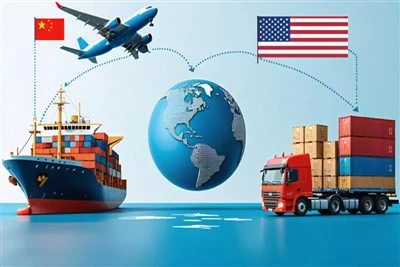
- Federal Maritime Commission. "Guidelines for Oversized Cargo Shipping via Ocean Vessels." 2023.
- American Trucking Associations. "Oversize Load Route Clearance Requirements for U.S. Domestic and International Shipments." 2022.
- World Shipping Council. "Landed Duty Paid (LDP) Best Practices for Non-Standard Cargo." 2024.
- U.S. Customs and Border Protection. "Oversized and Heavy Cargo Entry Procedures for Ocean Freight." 2023.
Tuoyuan International Logistics Co., Ltd.
As a professional China-USA logistics provider, we offer US LDP ocean transportation service for FBA and commercial shipments. If you’re going to know more about customized US LDP ocean transportation service, welcome to contact us for the pricelist. Good service and reasonable price are available.
Address: 1st Floor, Building 5, No.37, Jingshan Road, Beiyuan Street, Yiwu City, Jinhua City, Zhejiang Province, China
E-mail: info@topyounglog.com
WebSite: https://www.top-younglog.com/
