If you’ve ever stood on the production floor of a beverage, pharmaceutical, or cosmetic facility during a peak run, you’ve likely watched filling machines hum along at a pace that feels almost magical – filling hundreds, even thousands, of containers every minute, with barely a drop spilled and every bottle level to within a fraction of a milliliter. As a filling machine supplier that’s worked with hundreds of clients over the past 12 years, I’ve lost count of how many times I’ve been asked a version of the same question: “What is the actual filling speed of a filling machine?” It’s not a simple number you can pull off a spec sheet and call it a day, either. Filling speed is one of the most nuanced, critical metrics for any producer, because it directly ties to line efficiency, production costs, product quality, and even regulatory compliance. Let me break down what it really means, how it’s measured, what factors shape it, and why it matters so much for your operation. Filling Machine
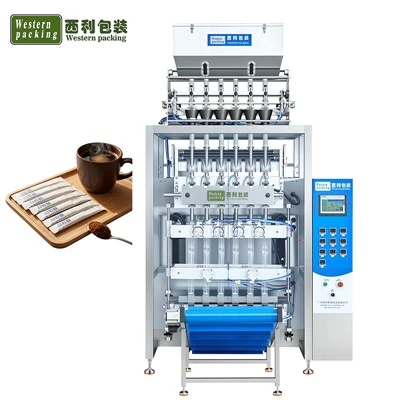
First, let’s get one thing straight: there’s no universal “standard filling speed” that applies to every machine. A 10-head filling machine for sparkling water won’t come anywhere near the speed of a 12-head machine for medical syringes, and a gravity filler for thick tomato paste will operate at a totally different rate than a pressure filler for light, carbonated soda. To define filling speed accurately, we have to split it into two distinct numbers: theoretical speed and actual, or “real-world,” speed. That’s a distinction I wish every client understood before they sign off on a machine. The theoretical speed is the maximum number of containers a machine can fill per minute (CPM) if every part works perfectly, there are no delays, and every container is perfectly aligned for processing. But that number is almost never what you’ll actually achieve on your line. I’ve seen clients get caught up in comparing theoretical CPM numbers from different suppliers, only to end up disappointed when their line only hits 70% of that number once it’s installed. Why? Because actual filling speed depends on way more than just the machine itself.
Let’s start with how filling speed is calculated, because the method of measurement itself changes the number you get. Most filling machines are rated in CPM, but some specialty machines, like those for pharmaceutical vials, are rated in units per hour (UPH). For liquid fillers, CPM is the standard: count how many full containers exit the filler turret or lane in one minute, and that’s your speed. But for semi-automatic machines – the kind small craft producers use, where an operator loads each container manually – speed will always be lower than fully automatic systems, because human handling creates natural pauses. For example, a semi-automatic piston filler for craft beer might hit 20-40 CPM, while a fully automatic inline piston filler for the same product can hit 120-180 CPM. That’s not a sign of a better machine (though automatic models are designed for speed) – it’s a function of how the filler is integrated into the line.
Now, let’s get into the core factors that determine a filler’s actual speed, because this is where most gaps in expectations happen. The first big one is product viscosity. This is just a fancy word for how thick or runny your product is. If you’re filling a low-viscosity product, like fruit juice or water, gravity fillers work great and can run very fast – up to 200 CPM or more for small bottles. But if you’re filling a high-viscosity product, like peanut butter, shampoo, or honey, you can’t use gravity to pull the product into the bottle. You have to use a piston filler, which dispenses a precise volume by pushing product through a nozzle with a piston. Piston fillers can hit decent speeds, but the thicker the product, the slower the piston has to move to avoid air bubbles, clogged nozzles, or incomplete fills. I once worked with a client that makes artisanal chocolate spread; their initial filler quote from another supplier said 150 CPM, but once we tested with their product, the speed dropped to 85 CPM – we had to adjust the piston size and flow rate to keep the chocolate from seizing in the nozzle, and that became the new maximum reliable speed. Viscosity is non-negotiable here, and it’s why a one-size-fits-all speed number is useless.
Next, container type and size play a huge role. A 50ml perfume bottle is way smaller than a 5-gallon bucket of cleaning solution, and that affects speed in two ways: how quickly the filler can move between containers, and how much product has to be dispensed. Small containers mean the filler turret (the rotating part that holds nozzles) can make faster revolutions, because the distance between fill stations is shorter. But if you’re filling a large container with a thick product, you need more product to be dispensed, and the nozzle has to hold more product to avoid running dry between fills – that slows down the speed. We also factor in container stability. If you’re filling fragile glass bottles, the filler has to move more slowly to avoid tipping or breaking them, which cuts into speed. For rigid plastic bottles, you can run much faster, as long as they’re properly aligned on the line. I remember a client that switched from glass to PET bottles for their cold brew coffee; their filler speed jumped 35% overnight, because the new bottles were lighter, more stable, and the line could move faster without risking damage.
Then there’s the type of filling technology itself. This is where a lot of suppliers try to differentiate, but each tech has its own speed sweet spot. Let’s break down the most common types: gravity fillers are the fastest for low-viscosity, non-carbonated products. They work by opening a valve and letting gravity pull product into the container, so they don’t use moving parts to dispense, which means less wear and tear and very high speed – often 150-300 CPM for standard bottles. Pressure fillers are similar to gravity, but they add positive pressure to the product tank, which is great for carbonated drinks like soda or sparkling water, because it prevents the product from fizzing out and creating air gaps. Pressure fillers hit roughly the same speed range as gravity fillers, though they need extra pressure regulation that can slightly slow things down for very delicate products. Piston fillers, as I mentioned earlier, are for all viscosities, from water to thick creams. Their speed is lower, generally 20-150 CPM, but they offer far better volume accuracy than gravity or pressure fillers, which is critical for products where you can’t give or take even a milliliter (like pharmaceuticals or cosmetics). Then there are specialty fillers: peristaltic fillers for sensitive products like insulin, which use a pump to move product through a tube without contacting the internal parts, and they run at 10-80 CPM depending on the volume; and overflow fillers, which are used for products that need a perfectly level top (like cooking oil) and run at 50-200 CPM. The tech you choose isn’t just about speed – it’s about matching to your product, but speed is directly tied to that tech.
Don’t forget line integration, either. A filler is only as fast as the rest of the line around it. If your unscrambler (the machine that turns loose containers into single-file, aligned ones) can only process 100 CPM, your filler can’t hit 150 CPM, no matter how fast the filler itself is. If your capping machine has to slow down to handle the pace from the filler, that drags the whole line down. We always do a line audit before we quote any filler, to make sure the speed of every component is matched. I’ve had clients come to us with a filler they bought from a supplier that quoted 200 CPM, only to find out their old unscrambler and capper can only handle 120 CPM, so they’re wasting half the speed potential of the new machine. It’s a common mistake, and it’s why choosing a supplier that can handle full line integration is way better than just buying a filler alone.
Another big factor I always emphasize to clients is speed vs. reliability. This is a trade-off that every producer has to navigate, but it’s a mistake to chase the highest CPM at all costs. If you run a filler at a speed that’s too fast for your product or line, you’ll get more errors: incomplete fills, spilled product, damaged containers, and even downtime when jams happen. I once worked with a craft brewery that insisted on running their filler at 10% above our recommended speed, because they wanted to hit a production target for a weekend launch. They ended up with 1200 spoiled bottles from foaming, and the line was down for four hours fixing jams – the cost of that downtime was way higher than the extra beer they would have produced at the faster speed. Reliable speed is the number you should care about, not theoretical maximum speed. Reliable speed is the speed you can run the machine 24/7, 365 days a year, with minimal downtime, and with less than 1% error rate on fill volume. That’s the number that actually affects your bottom line, not the theoretical CPM you see on a spec sheet.
Now, let’s talk about how we measure speed for our clients, because transparency is something we pride ourselves on. When we sell a filler, we don’t just send a spec sheet with a CPM number – we do a factory acceptance test (FAT) where we run the machine with your actual product, on your actual containers, in our facility, and we measure the actual speed we can achieve reliably. We log every variable: viscosity, fill volume, container size, line speed, error rates, downtime. That number is what we guarantee, not the theoretical maximum. If you come to us with a product that’s tomato paste in 500ml jars, we’ll test with tomato paste, not water, and give you a speed based on that. No more surprises when the machine is installed at your facility.
I also want to address regulatory factors, because for pharmaceutical, biotech, and even food producers in many regions, filling speed is tied to compliance. The FDA (in the US) and EFSA (in the EU) require that fill volumes are accurate, and that production records are kept for every batch. If a filler runs too fast, it’s harder to track every single fill, which can lead to gaps in audit trails. For example, a syringe filler for vaccines has to not only fill accurately, but also track each individual syringe to ensure no doses are lost, and the fill speed has to be aligned with the track and trace system. Speed here isn’t just about production – it’s about meeting legal requirements. That’s why we work with our pharmaceutical clients to adjust speed to their track and trace systems, not just their fill needs.
So, what’s the takeaway for you, the producer evaluating filling machines? First, stop asking for a single “filling speed” number. Instead, ask for reliable, real-world speed, measured with your product, your containers, and your line. Second, prioritize matching the filling technology to your product and needs, not just chasing the highest CPM. If you’re a small craft producer with low-volume runs, a semi-automatic piston filler with 30 CPM might be perfect, even if a fully automatic model has a higher theoretical speed. If you’re a large beverage producer doing 24/7 runs, you’ll need a gravity or pressure filler that can consistently hit 180+ CPM with minimal downtime. Third, make sure your filler is integrated with the rest of your line, so you don’t have mismatched speeds that waste investment.
At the end of the day, filling speed is a tool, not a goal. It’s a way to get your product into containers faster, with less waste, and more consistently, which in turn helps you meet demand, cut costs, and keep your customers happy. We’ve seen producers grow from 50 CPM to 150 CPM by upgrading their filler and integrating their line, and we’ve seen others regret buying a fast filler that’s unreliable for their product. That’s why we take the time to talk through every detail with our clients: what product they make, what containers they use, their production volume, their line layout, and their long-term goals. We don’t just sell a machine – we help them find a filling speed that works for their business, not just a spec sheet number.
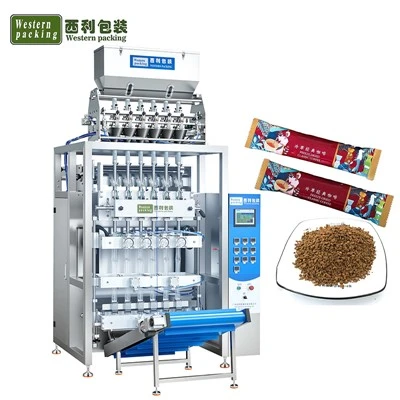
If you’re looking to upgrade your filling line, or just want to learn more about what filling speed could look like for your specific operation, we’re here to help. We offer free line audits and product testing, so you can see exactly what speed you can achieve with your product, no guesswork, no generic numbers. Connect with our team to discuss your needs, and we’ll put together a customized solution that balances speed, reliability, and quality for your business.
Filling Machine References
- Davis, R. (2022). Modern Filling Technology: Selection, Operation, and Efficiency. Industrial Press.
- European Food Safety Authority (EFSA). (2021). Guidelines for Packaging and Filling of Food and Beverage Products. EFSA Journal.
- United States Food and Drug Administration (FDA). (2020). Current Good Manufacturing Practices (CGMP) for Finished Pharmaceuticals. Federal Register.
- Smith, J. (2023). Viscosity Effects on Filling Machine Performance. Journal of Packaging Technology and Science.
Guangzhou Western Packing Co., Limited
Guangzhou Western Packing Co., Limited is one of the most professional filling machine manufacturers and suppliers in China, also supports custom service. With abundant experience, we warmly welcome you to wholesale durable filling machine at competitive price from our factory.
Address: No.3, Yilong street, Wulonggang, Zhongluotan Twon, Baiyun District, Guangzhou
E-mail: david@westernpacking.com
WebSite: https://www.westernpackingusa.com/
