If you’ve spent years sourcing parts, polishing paint, and chasing down original documentation for your vintage car—whether it’s a 1967 Mustang fastback, a 1958 VW Beetle ragtop, or a 1972 Jaguar E-Type—you know the thing isn’t just metal and rubber. It’s a collection of memories, compromises, and pieces of a time when cars were built to last, not be replaced. So when it comes to protecting it from UV rays, bird droppings, tree sap, and that random dust that settles even in climate-controlled garages, the question isn’t “do I need a cover?” It’s “can the car cover fabric I source from a reliable supplier actually hold up to my vintage car’s unique needs?” Car Cover Fabric
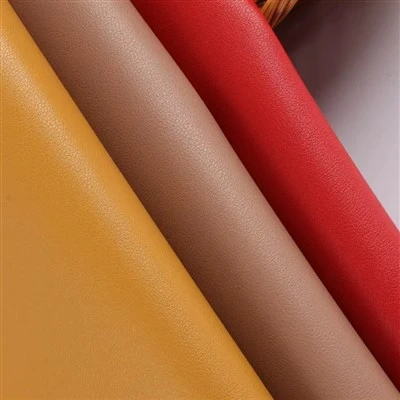
I’m not just talking to fellow vintage car fans here. I’m a car cover fabric supplier, and I’ve had this exact conversation with hundreds of collectors over the past decade. Some come in with a tattered generic cover they bought at a big-box store, confused why it left fine scratches on their 1964 Corvette’s clear coat. Others bring in a custom cover for their rare Alfa Romeo Spider that fell apart after one winter in their New England garage, because the fabric couldn’t handle temperature swings. The short answer is yes—modern car cover fabric can absolutely be used on vintage cars—but only if you pick the right fabric for your car’s specific use case, condition, and environment. The wrong choice, though, can be worse than no cover at all. Let’s break down why, and how we get this right.
First, let’s talk about what makes vintage cars different from modern ones—and why generic cover fabric fails them. Most vintage cars have two things modern cars don’t: thin, fragile paint, and surfaces that were never designed to breathe the way modern clear coats do. Back in the 1950s and 60s, paint was oil-based, not the water-based or multi-layered clear coat we use now. It cured differently, it’s thinner, and it’s much more prone to reacting with chemicals. That means if you use a cover fabric that traps moisture against the body, or has harsh coatings to repel water, you could end up with paint bubbling, discoloration, or even rust forming under the surface. Modern covers, especially cheap ones, often use PVC or heavy vinyl that’s waterproof but not breathable—like wrapping your car in a plastic bag. If it’s in the garage, the moisture from humidity, or if you park it outside and it rains, that moisture gets stuck between the fabric and the car, with nowhere to go. After a few months, you’ll have rust on door edges, wheel wells, or under the hood that you can’t even see until you pull the cover off.
Then there’s the issue of scratches. Generic covers are made with rough, low-density fabric that’s full of loose fibers. Every time the wind blows, or you yank the cover on and off, those fibers act like sandpaper on your vintage paint. I’ve seen a 1963 Thunderbird with a $10,000 paint job that was ruined because the owner used a cheap cover once. The fine scratches from the fabric were so bad, he had to buff and re-spray the entire car just to get it to look right. Modern cover fabric for vintage cars is designed to eliminate that, but not all fabrics are created equal.
Let’s get into the science of the fabrics we supply, because when you’re working with a vintage car, it’s not just about “soft”—it’s about performance. The best fabric for most vintage cars is a woven polyester blend with a non-abrasive, breathable inner liner. Wait, why woven, not non-woven? Non-woven fabrics are cheap, made from pressed fibers, and they’re not as durable. Woven fabrics have interlaced fibers that hold their shape, so they don’t develop loose threads after a few uses. The inner liner is key: we use a subtle, fleece-like microfiber that’s 100% lint-free. It’s gentle enough that you can rub it against your face and not get any fuzz, let alone your car’s paint. But it’s also strong enough to resist tears if you accidentally drag a ladder over it, or if a neighbor’s cat decides to use your car as a scratching post (we’ve all seen that, right?).
But breathability is non-negotiable. The outer layer of our top vintage car cover fabric is coated with a microporous polyurethane layer. That sounds technical, but what it means is tiny, invisible holes that let moisture vapor escape, while keeping rain, snow, and UV rays out. So when your car is in the garage, humidity from the concrete or from cleaning the car can evaporate through the fabric, instead of getting trapped. When it’s parked outside in the rain, water beads up on the outer layer and rolls off, instead of seeping through. We test this in our lab: we put a piece of our fabric over a cup of water with 90% humidity, and after 24 hours, only a tiny amount of condensation gets through to the other side. Compare that to a cheap PVC cover, where almost all of the moisture gets trapped—you can actually see water dripping from the inner side of the PVC cover after a night of dew.
UV protection is another big one, especially for vintage cars that are often parked outside at shows or in driveways without garages. Old paint fades way faster than modern clear coat because it doesn’t have UV inhibitors built in the same way. We add a layer of UV-stabilized polypropylene to the outer fabric, which blocks 99.9% of harmful UVA and UVB rays. A lot of customers ask if that’s necessary, and I always tell them: last year, we had a customer bring in a 1968 Camaro that he’d parked on his driveway for three years, covered with a cheap cover that had no UV protection. The hood was faded so badly that the color was two different shades from the doors. After he bought our cover, the next year, there was almost no difference. That’s the difference between a fabric that’s made for cars, and one that’s just made to cover things.
But here’s the thing: not all vintage cars need the same fabric. A 1960s pickup that’s used as a daily driver on weekends is going to have different needs than a 1955 Mercedes 300SL Gullwing that’s only taken to car shows and stored in a climate-controlled garage. For the daily driver vintage car, you need a fabric that’s durable enough to handle frequent on-off use, and water-resistant enough to handle all kinds of weather. Our all-weather vintage cover fabric is a heavy-duty woven polyester blend with an extra microporous layer, so it’s tough but still breathable. For the show car that’s only going to be in the garage or at events, a lighter, softer fabric is better. We have a premium satin-weave polyester cover fabric that’s ultra-soft, looks sleek, and still blocks UV and moisture, so it’s perfect for when you’re pulling the cover off to show it off, and don’t want to risk any scratches.
Another common question I get is: can I use outdoor car cover fabric on a car that’s stored inside? Yes, but you need to adjust for the environment. If your garage is climate-controlled, you don’t need the heavy all-weather fabric—you can use a lighter, more breathable fabric that’s designed for indoor use. That’s because heavy outdoor fabric is thicker, and if you’re storing the car indoors, you don’t need the extra water resistance, so the lighter fabric is more gentle. We make our indoor fabric with the same lint-free microfiber liner, so it’s still scratch-free, but it’s less bulky and easier to handle when you’re putting it on a car in a tight garage.
Wait, what about classic cars with soft tops? Like the 1950s Chrysler New Yorker with a vinyl top, or a Porsche 911 Targa with a removable roof? That’s another area where generic cover fabric fails. A cheap cover will rub against the soft top, causing cracks or fading, or trap moisture that leads to mold or mildew on the vinyl. Our fabric is specially treated to be non-reactive to vinyl, rubber, and leather, so it won’t cause discoloration or cracking. We test every fabric we sell against vinyl samples, so we know it won’t leave any marks. We had a customer with a 1971 Triumph TR6 that had a original vinyl top—after using a generic cover for six months, the top had turned white in the spots where the cover touched. After switching to our fabric, that discoloration never came back, and the top stayed flexible for another two years. It’s all about that chemical compatibility, which cheap fabrics don’t test for.
Now, I know what some of you are thinking: “I’ve used cheap covers for years and never had a problem.” That’s great—until it’s not. The thing about vintage cars is that they’re irreplaceable. You can’t buy a new 1963 Corvette Sting Ray. You can buy a parts car, but it’s never the same as the original. So the extra money you spend on a proper car cover fabric isn’t just for the fabric—it’s for protecting the investment you’ve made in your car, whether that’s thousands of dollars or decades of work.
I’ve seen customers spend $50,000 restoring a vintage car, then throw a $20 cover on it, and wonder why it gets damaged. It doesn’t have to be that way. The right car cover fabric balances protection, durability, and gentleness, so your vintage car stays in the condition you worked so hard to preserve.
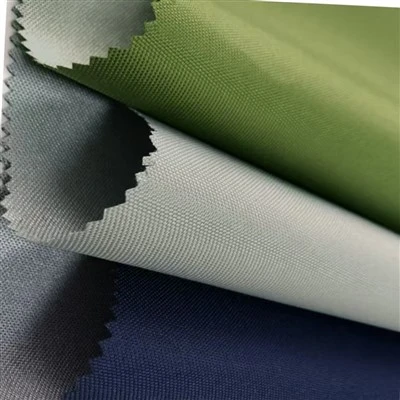
If you’re tired of covers that scratch your paint, trap moisture, or fall apart after a few uses, we can help. Our team has worked with vintage car collectors, restoration shops, and even museums to source fabrics that are tailored to specific vintage car needs. We can answer any questions you have about which fabric is right for your car, whether it’s a weekend driver, a show car, or stored in a garage. Reach out to us to discuss your vintage car cover needs and find the right solution for your prized vehicle.
Poncho Fabric References:
- Society of Automotive Engineers (SAE) International. “Materials Compatibility for Automotive Cover Fabrics.” 2019.
- Vintage Car Restoration Association (VCRA). “Paint Protection Best Practices for Classic Vehicles.” 2021.
- Textile Institute. “Microporous Polyurethane Coatings for Breathable Textiles.” 2020.
- American Automobile Association (AAA). “Classic Car Storage and Protection Guide.” 2022.
Wujiang Jiashunxin Spray Weaving Co., Ltd.
As one of the most professional car cover fabric manufacturers and suppliers in China, we’re featured by quality products and good service. We warmly welcome you to wholesale bulk customized car cover fabric from our factory. If you have any enquiry about free sample, please feel free to email us.
Address: Xingli New Village, Lili Town, Wujiang District, Suzhou City, Jiangsu Province
E-mail: xuzhiqiang20260525@163.com
WebSite: https://www.shunbangfabric.com/
