If you’ve spent any time in the poultry industry, you know that a reliable water supply isn’t just a convenience—it’s the backbone of healthy flocks. I’ve been part of a poultry water supply system company for over a decade, and one of the most consistent headaches we hear from farmers is insect contamination in their water lines. Fruit flies, mosquitoes, even small gnats can find their way into nipples, troughs, and storage tanks, leading to clogged lines, reduced water flow, and more importantly, higher risk of disease for birds. The problem isn’t just gross, either—it hits productivity: flocks that don’t have constant access to clean water eat less, grow slower, and have higher mortality rates. Poultry Water Supply System

The good news is that preventing insect contamination isn’t about spraying harsh chemicals or overhauling your entire system. It’s consistent, science-backed practices tailored to how poultry water systems work, and that’s exactly what our team has spent years refining for our clients. Today, I’m walking through the most effective, practical steps we share with every farm we work with, no matter the size of your operation.
First, let’s cut through a common myth: insects in poultry water systems don’t just “show up out of nowhere.” They’re attracted to very specific conditions, and we can target those conditions at every stage of your system. Let’s start at the source: the storage tank. This is the first line of defense, and it’s where we see the most preventable insect ingress. Tanks are often elevated, covered, but if the seals are cracked or the lid is loose, fruit flies and gnats can slip through to lay eggs. Mosquitoes, of course, are a huge threat here too—if there’s even a small gap where water can pool on top of a tank or around the intake, female mosquitoes will land and lay their eggs within minutes.
Last year, we worked with a 50,000-bird operation in central Iowa that had gone through three full flocks with recurring gnat infestations. Their solution ended up being simple: they had a 2-inch gap between their tank lid and the tank rim, and they’d never thought to check it because the lid looked closed from afar. We installed a custom-fit, food-grade silicone seal on the tank, and within two weeks, their gnat count dropped by 90%. That’s not a fancy fix—it’s checking the tiny details. When we install tanks for our clients, we always include pressure-tested seals, but we also tell them to inspect those seals monthly, and replace any worn rubber or silicone gaskets right away. For tanks that are located in damp, shaded areas (the perfect breeding ground for mosquitoes), adding a fine-mesh screen over any vents or overflow pipes is non-negotiable. The mesh should be no larger than 100 microns—small enough to stop even the smallest gnat from squeezing through, but large enough to let air circulate so your tank doesn’t develop mold or algae.
Next, moving from storage to the distribution lines that carry water to the birds. This is where a lot of farmers miss the mark, because they assume the lines are sealed tight enough after the tank. But organic matter—like leftover feed dust, bird waste, or biofilm that builds up inside lines—can create a perfect breeding ground for larvae if there’s any standing water. Insects like fungus gnats feed on this biofilm, and once their larvae get settled in lines, they can clog nipples, reduce flow by 30% or more, and even end up in the water that birds drink.
Our team recommends a consistent line flushing schedule, but not just a quick 2-minute flush at the end of each cycle. For most commercial operations, flushing lines for 15 to 20 minutes after every flock, and then weekly mid-cycle, will remove that organic matter before it builds up. We also use a system additive that’s approved for poultry use to help break down biofilm, but we always emphasize that this additive is a supplement, not a replacement for flushing. Another pro tip: if your system uses automatic valves that drip when not in use, adjust the flow rate so that water moves through lines continuously, without pooling in low spots. We’ve seen too many cases where birds aren’t using a nipple for a few hours, leaving a small puddle in the line that’s enough for larvae to hatch.
Then there’s the area around the water lines and troughs, outside the system itself. Insects don’t just come from inside the pipes—they breed in the environment right around your barn. Feed spills, standing water in puddles around the barn foundation, even damp bedding near water lines are all magnets for insects. Fruit flies can smell a single spilled grain of corn from 100 feet away, and they’ll lay eggs in that mess within hours.
We work with farmers to create a “clean zone” within 10 feet of every water source. That means sweeping up feed spills multiple times a day, repairing any leaks in water lines immediately, and making sure the barn floor slopes away from water troughs so water doesn’t pool. For outdoor operations (like free-range or pastured poultry), this is a bit trickier, but we recommend installing low-profile troughs that drain excess water away from the grazing area, and placing mesh covers over any troughs that aren’t being used 24/7. Last year, we helped a pastured turkey farm in Minnesota switch to our covered, low-drain trough system, and their mosquito-related water contamination dropped by 85% in one season.
Another often-overlooked step is regular inspection of nipples and drinkers. Each nipple is a small, narrow opening, which makes it a prime spot for insects to get stuck or lay eggs. Gnats and tiny flies can fit through even the smallest gaps, and once they’re inside the nipple, they’ll die and decompose, leading to bacteria growth that birds can ingest. We train our clients to check a sample of nipples every day—about 10% of the total—by gently blowing into them to see if any debris or insects come out. If you find even a few insects, it’s time to clean all nipples with a mild, poultry-safe detergent (no harsh bleach solutions, which can leave residue) and flush the lines again. For our clients, we also offer nipple systems that have a built-in self-cleaning mechanism, which prevents debris and insects from getting stuck in the first place.
One question we get all the time is: what about chemical treatments? We’re not opposed to them, but we always emphasize that they should be a last resort, not a first step. Many over-the-counter insecticides for water systems are not approved for poultry, and can leave harmful residues that affect bird health or egg quality. The EPA has a very specific list of treatments that are safe for poultry water, and we work with our clients to use these only if physical and maintenance practices haven’t worked, and only in combination with those practices. For example, we might recommend a small dose of an EPA-approved larvicide for a client who has a severe mosquito problem in their tank, but we’ll pair that with the screen seal we talked about earlier, so the problem doesn’t come back.
Let’s also talk about seasonal challenges, because insect contamination isn’t a year-round issue. In the spring, when temperatures start to rise above 50 degrees Fahrenheit, gnats and mosquitoes become active again, and that’s when you should ramp up your maintenance. In the summer, when humidity is high, biofilm builds up faster, so flushing schedules might need to be extended by a few minutes. In the fall, before you put a new flock in, a full deep clean of the tank, lines, and troughs is essential to get rid of any larvae that might have overwintered in damp areas.
I’ll be honest—even with all these steps, there are going to be days where you see a few insects near your water system. The goal isn’t perfection, it’s consistency. We’ve seen farms that do every check, every flush, every seal replacement, and go years without a major insect contamination issue, while farms that skip a few steps every now and then deal with recurring problems that eat into profits. That’s why our job isn’t just to sell you a water system—it’s to support you in maintaining it, with regular check-ins, updated guides, and personalized tips based on your specific operation.
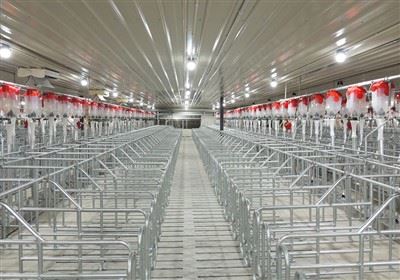
If you’re tired of dealing with insect-related water issues, or if your current system isn’t holding up to the demands of your flock, our team can help. We work with poultry operations of all sizes, from small backyard flocks to large commercial facilities, to design and install water systems that are built for durability and easy maintenance. We also offer ongoing support, including training sessions and custom maintenance schedules, so you never have to worry about unexpected contamination. Whether you’re looking to upgrade your existing system or install a new one for your next flock, we’re here to help. Contact our team today to discuss your needs and find the right solution for your operation.
Pig Equipment and Supporting Equipment References
- National Poultry Improvement Plan. (2022). Water Quality and Biosecurity Guidelines for Poultry Production. U.S. Department of Agriculture.
- Applegate, T. J., & Angel, R. (2021). Water as a Critical Nutrient in Poultry Nutrition and Health. Journal of Applied Poultry Research, 30(4), 101872.
- World Health Organization. (2020). Vector Control for Poultry Production Facilities: Best Practices for Insect and Rodent Management.
- Georgia Department of Agriculture. (2023). Poultry Water System Maintenance Guide for Small and Medium Farms.
Guangzhou Guangxing Poultry Equipment Group Co., Ltd.
Guangzhou Guangxing Poultry Equipment Group Co., Ltd. is one of the most professional poultry water supply system manufacturers and suppliers in China, featured by quality products and good price. Welcome to buy CE approved poultry water supply system made in China here and get pricelist from our factory. Customized orders are welcome.
Address: NO.2 Guangxing Road,Shating Taihe Town,Baiyun Guangzhou,China
E-mail: gxservice@cnguangxing.com
WebSite: https://www.guangxingcn.com/
