Can PVC cards be used in outdoor environments? This is a question I often get asked as a PVC cards supplier, and it’s a valid one considering the diverse settings where these cards are needed. In this blog, I’ll explore the suitability of PVC cards for outdoor use, their limitations, and some tips to ensure their longevity in such environments. PVC Cards

Understanding PVC Cards
PVC, or polyvinyl chloride, is a widely used plastic material known for its durability, versatility, and cost – effectiveness. PVC cards are commonly used for a variety of applications, including identification cards, access cards, loyalty cards, and membership cards. They can be printed with high – quality graphics, text, barcodes, and magnetic stripes, making them a popular choice for many businesses and organizations.
Factors Affecting PVC Cards in Outdoor Environments
1. UV Radiation
One of the most significant challenges PVC cards face in outdoor environments is ultraviolet (UV) radiation from the sun. Prolonged exposure to UV rays can cause the colors on the card to fade, the plastic to become brittle, and the overall appearance to deteriorate. Over time, these changes can not only make the card look unsightly but also affect its functionality, especially if it relies on visual elements like barcodes or printed text.
Some PVC cards are coated with UV – resistant materials to mitigate this issue. These coatings act as a shield, absorbing or reflecting the UV rays before they can damage the card. However, the effectiveness of these coatings can vary depending on the quality of the coating and the intensity and duration of UV exposure.
2. Temperature Fluctuations
Outdoor environments can experience extreme temperature variations, from scorching heat during the day to freezing cold at night. PVC is sensitive to temperature changes, and rapid or extreme fluctuations can cause the card to expand or contract. This physical stress can lead to warping, cracking, or delamination of the card layers.
For example, in hot weather, PVC can become soft and pliable, making it more prone to bending or damage. In cold weather, it can become rigid and brittle, increasing the risk of cracking when handling. Additionally, if the card is exposed to alternating cycles of heat and cold, the repeated expansion and contraction can cause internal stresses that weaken the card’s structure over time.
3. Moisture and Water Exposure
Rain, snow, humidity, and condensation are common in outdoor settings, and PVC cards are not immune to the effects of moisture. Water can seep into the card’s layers, causing swelling, warping, or damage to the printed elements. Prolonged exposure to moisture can also promote the growth of mold and mildew, which can further degrade the card.
If the card has magnetic stripes or electronic components, water damage can be particularly problematic. Moisture can corrode the magnetic material or short – circuit the electronics, rendering the card inoperable.
4. Physical Abrasion
Outdoor environments are often more abrasive than indoor ones. Cards can come into contact with rough surfaces, such as gravel, sand, or foliage, which can scratch or scuff the card’s surface. Additionally, wind – blown dust and debris can act as abrasives, gradually wearing down the card over time.
Scratches on the card not only affect its appearance but can also interfere with the readability of barcodes or other printed information. In some cases, deep scratches can even penetrate the card’s layers and cause structural damage.
Suitability of PVC Cards for Different Outdoor Applications
1. Short – Term Outdoor Use
For short – term outdoor use, such as at outdoor events, festivals, or construction sites where the cards are only exposed to the elements for a few hours or days, PVC cards can generally withstand the conditions. As long as they are not subjected to extreme weather, excessive moisture, or heavy abrasion, they should maintain their functionality and appearance.
For example, event organizers may use PVC access cards for a one – day music festival. These cards are typically distributed at the entrance and collected at the end of the event. With proper handling, they can serve their purpose effectively without significant damage.
2. Long – Term Outdoor Use
Long – term outdoor use presents more challenges for PVC cards. If the cards are intended to be used for an extended period, such as in outdoor parking lots, construction sites over a project’s duration, or for outdoor access control systems, additional considerations are necessary.
In these cases, it’s advisable to choose PVC cards with enhanced durability features. For example, cards with thick, high – quality PVC material, reinforced edges, and UV – resistant coatings are more likely to withstand the rigors of long – term outdoor exposure. Some suppliers also offer laminated cards, which provide an extra layer of protection against moisture and abrasion.
Tips to Improve PVC Card Performance in Outdoor Environments
1. Choose the Right Card Material
When selecting PVC cards for outdoor use, opt for higher – quality materials that are specifically designed to resist UV radiation, temperature changes, and moisture. Look for cards with a thick base layer and a durable surface coating. For example, PVC cards with a gloss or matte finish can offer some protection against scratches and moisture.
2. Apply Protective Coatings
As mentioned earlier, UV – resistant coatings can significantly extend the life of PVC cards in outdoor environments. In addition to UV protection, consider coatings that are also water – resistant and abrasion – resistant. These coatings can form a protective barrier that shields the card from the elements and reduces the risk of damage.
3. Use Cardholders or Lanyards
Cardholders can provide an extra layer of protection for PVC cards. They can shield the cards from direct exposure to sunlight, moisture, and physical abrasion. Lanyards can also be useful for carrying cards, as they reduce the risk of dropping the card and expose it to damage. Choose cardholders and lanyards that are made of durable materials and are suitable for outdoor use.
4. Regular Inspection and Maintenance
Regularly inspect the PVC cards to check for signs of damage, such as fading, cracking, or warping. If any issues are detected, replace the cards promptly to ensure continued functionality. Clean the cards regularly using a soft, dry cloth to remove dirt and debris. Avoid using harsh chemicals or abrasive cleaners, as they can damage the card’s surface.
Conclusion
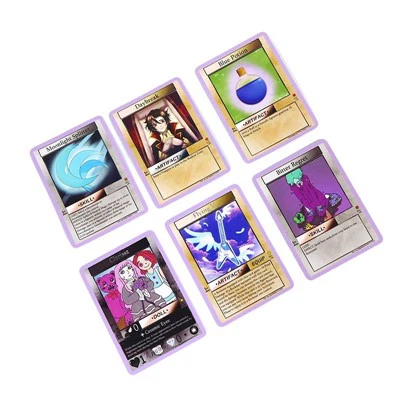
In conclusion, while PVC cards can be used in outdoor environments, their performance and longevity depend on several factors, including the duration of exposure, the specific environmental conditions, and the quality of the card and its protective features. For short – term outdoor applications, standard PVC cards may be sufficient with proper handling. However, for long – term outdoor use, it’s essential to choose high – quality cards with enhanced durability features, such as UV – resistant coatings, water – resistant laminates, and reinforced edges.
If you’re in need of PVC cards for outdoor use, I’m here to help. As a PVC cards supplier, I have a wide range of options available to meet your specific requirements. Whether you need access cards for an outdoor event, identification cards for a construction site, or loyalty cards for an outdoor business, I can provide you with high – quality, durable PVC cards. Contact me to discuss your needs and let’s start a conversation about how I can supply the perfect PVC cards for your outdoor applications.
Entertainment Cards References:
- "Plastics: Materials and Processing" by James F. Shackelford
- "Polyvinyl Chloride (PVC) Handbook" by Werner Becker and Dieter Braun
Wuyi County Dayu Printing Co., Ltd.
As one of the most professional PVC cards manufacturers and suppliers in China, we offer a wide range of products with superior quality. Please rest assured to wholesale customized PVC cards at competitive price from our factory. For quotation, contact us now.
Address: No. 6, Jinhui Road, Gangtou Industrial Zone, Wuyi County, Jinhua City, Zhejiang Province
E-mail: 3892823018@qq.com
WebSite: https://www.dayuprint.com/
