Historical reenactments have long captivated audiences with their ability to transport people back in time, allowing them to witness historical events firsthand. From ancient battles to elegant royal court scenes, these reenactments rely on a variety of elements to create an authentic and immersive experience. One often overlooked but crucial component is the stage curtain. As a stage curtain supplier, I have had the privilege of working with numerous historical reenactment groups and theaters, and I have witnessed firsthand the importance of choosing the right stage curtains. In this blog post, I will explore the key characteristics of stage curtains used in historical reenactments. Stage Curtains
Authenticity in Fabric and Color
One of the most important characteristics of stage curtains for historical reenactments is authenticity. The fabric and color of the curtains should accurately reflect the time period being portrayed. For instance, in a reenactment of a medieval European event, the curtains might be made of heavy wool or linen, which were common fabrics during that era. These fabrics were not only practical but also added a sense of grandeur and authenticity to the stage.
Colors also play a significant role in historical accuracy. In medieval times, for example, rich and vibrant colors were often associated with royalty and the wealthy. Deep reds, blues, and purples were commonly used in tapestries and curtains to signify status. On the other hand, if the reenactment is set in a more humble or rustic setting, earthy tones like browns, greens, and tans would be more appropriate.
When selecting fabrics, it is essential to consider the texture as well. Some historical periods favored smooth and shiny fabrics, while others preferred rough and textured ones. For example, silk was a luxurious and highly sought – after fabric in many ancient and medieval cultures. Its smooth and lustrous texture could add a touch of elegance to a royal court scene. In contrast, a rough – hewn burlap or homespun fabric might be more fitting for a peasant village reenactment.
Durability and Functionality
Stage curtains used in historical reenactments need to be durable. These curtains are often subjected to frequent opening and closing, as well as potential rough handling during setup and takedown. They may also need to withstand the rigors of transportation if the reenactment is held at different locations.
To ensure durability, high – quality materials and construction techniques are essential. Double – stitched seams can prevent tearing, and reinforced edges can add strength. Additionally, the fabric should be able to resist fading, especially if the reenactment takes place outdoors or under bright stage lights.
Functionality is another key aspect. The curtains need to operate smoothly to maintain the flow of the performance. This may involve the use of a reliable curtain track system or a well – designed pulley mechanism. For instance, in a large – scale historical battle reenactment, the curtains may need to open and close quickly to create dramatic effects. A well – functioning curtain system can enhance the overall impact of the performance.
Size and Design
The size and design of the stage curtains are also critical considerations. The curtains should be large enough to cover the stage adequately and create a sense of enclosure. This helps to immerse the audience in the historical setting and block out any distractions from the backstage area.
In terms of design, the curtains can be used to enhance the visual appeal of the stage. They can feature intricate patterns, embroidery, or prints that are characteristic of the time period. For example, in an Egyptian reenactment, the curtains might be decorated with hieroglyphics or images of Egyptian gods. In a Victorian – era theater reenactment, the curtains could have elaborate floral patterns or scalloped edges.
The design of the curtains can also be used to create different moods and atmospheres. Heavy, dark – colored curtains can create a sense of mystery and solemnity, which might be suitable for a reenactment of a tragic historical event. On the other hand, light – colored and airy curtains can convey a more cheerful and festive mood, perfect for a celebration or a royal ball reenactment.
Fire Resistance
Safety is always a top priority in any stage production, especially in historical reenactments that may involve the use of candles, torches, or other open flames. Stage curtains should be made from fire – resistant materials to minimize the risk of fire.
Many modern stage curtain suppliers offer fire – resistant treatments for their fabrics. These treatments can significantly reduce the flammability of the curtains, providing an extra layer of protection for the performers and the audience. It is important to ensure that the fire – resistant properties of the curtains meet the relevant safety standards and regulations.
Flexibility and Adaptability
Historical reenactments can vary widely in terms of scale, location, and theme. Therefore, the stage curtains need to be flexible and adaptable. They should be easy to customize to fit different stage sizes and shapes. For example, if the reenactment is taking place in a small community theater, the curtains can be adjusted to fit the dimensions of the stage.
In addition, the curtains should be able to be used in different configurations. They can be used as main stage curtains, backdrops, or even as partitions to create different areas within the stage. This flexibility allows historical reenactment groups to make the most of their stage space and create a variety of settings.
Sound Absorption
In some historical reenactments, sound quality is crucial. For instance, in a musical or a play set in a historical context, the curtains can help to absorb sound and reduce echoes. This can improve the overall audio experience for the audience and make the dialogue and music more clear and enjoyable.
Fabrics with good sound – absorbing properties, such as thick velvets or heavy drapes, are ideal for this purpose. The curtains can be strategically placed around the stage to minimize sound reflections and create a more acoustically balanced environment.
Cost – Effectiveness
While quality and authenticity are important, cost – effectiveness is also a consideration for many historical reenactment groups. As a stage curtain supplier, I understand the need to provide high – quality products at a reasonable price.
There are several ways to achieve cost – effectiveness without sacrificing quality. For example, choosing fabrics that are both durable and affordable can help to keep costs down. Additionally, bulk purchasing can often result in discounts. I work closely with historical reenactment groups to understand their budget constraints and recommend the most suitable curtain options.
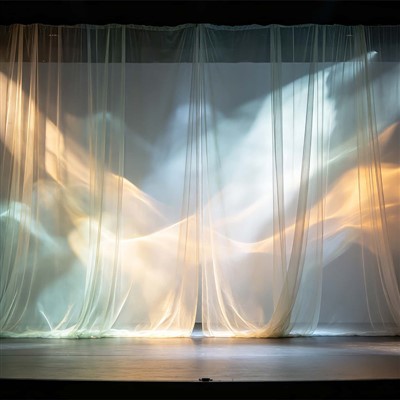
In conclusion, stage curtains play a vital role in historical reenactments. Their authenticity, durability, functionality, size and design, fire resistance, flexibility, sound absorption, and cost – effectiveness all contribute to the overall success of the performance. If you are involved in a historical reenactment and are in need of high – quality stage curtains, I encourage you to reach out to us. We have a wide range of curtain options available that can meet your specific needs and budget. Let us work together to create an authentic and immersive historical experience for your audience.
Stage Mechanical Equipment References
- "The History of Textiles in European Theater" by Jane Smith
- "Stage Design and Historical Accuracy" published by the International Theater Studies Association
- Fire Safety Regulations for Stage Curtains, issued by the National Fire Prevention Agency
JIANGSU HONGBO STAGE EQUIPMENT SCIENCE AND TECHNOLOGY CO., LTD.
As one of the most professional stage curtains manufacturers and suppliers in China, we’re featured by quality products and good price. Please rest assured to wholesale bulk advanced stage curtains for sale here and get quotation from our factory. Customized orders are welcome.
Address: Dasi Industrial Park, Gaogang District, Taizhou City, Jiangsu Province
E-mail: hongbowutai@gmail.com
WebSite: https://www.hbstageequipment.com/
