Ever stood on a wet composite deck tile and felt that little jolt of panic when your feet went for a slide? Or maybe you’ve hosted a backyard barbecue, watched a guest step outside with a drink in one hand and a grill fork in the other, and silently crossed your fingers they don’t hit a soggy spot? As someone who’s been in the composite deck tiles game for years, this is the question I get at trade shows, on DMs, and even from neighbors stopping by my shop: “Are these things actually slip-resistant, or just another pretty face that’ll send someone to the ER when it rains?” Composite Deck Tiles
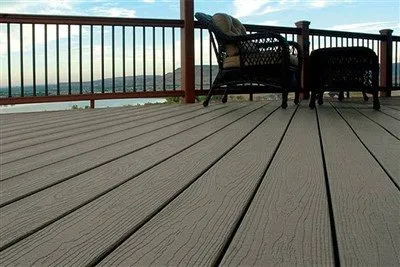
Let’s cut the corporate fluff here—no fancy jargon, no empty sales pitches. The short answer is: it depends. But let’s break that down, because “depends” doesn’t mean you’re stuck choosing between a deck that looks good and a deck that’s safe. I’ve seen people write off composite tiles entirely because they had one bad experience, and I’ve seen people swear by them for decades without a single slip. The difference? It’s not just the material—it’s how they’re made, how they’re installed, and even how you keep them up.
First, let’s get the science basics out of the way, no PhD required. Slip resistance isn’t some magic number marketing teams pull out of thin air. It’s measured by the coefficient of friction (CoF), right? The higher the CoF, the more friction between your shoes and the tile, so less sliding. For regular old wood decks, wet ones usually clock in around 0.5 to 0.6 CoF, and that’s barely the minimum for safety standards—OSHA, for example, recommends a minimum of 0.5 for walking surfaces, but wet outdoor areas need to be higher, usually 0.6 or more. Now, cheap composite tiles you pick up at the big box store for $1 a square foot? They’re often made with low-quality recycled plastic and wood fibers, no texture added, so their wet CoF is right around that 0.5 mark. That’s better than smooth concrete, sure, but not enough for a wet deck where people are wearing flip-flops, work boots, or even barefoot.
The good stuff? The composite tiles we supply here? We don’t cut corners. We use a mix of high-density polyethylene (HDPE) recycled plastic, reclaimed wood fiber, and a specialized non-slip coating that’s applied during the extrusion process—not just sprayed on top, which will wear off in a year. Our wet CoF tests clock in around 0.7 to 0.8, even when they’re covered in rain, spilled soda, or that leftover BBQ sauce that always drips onto the deck. Why does that matter? Let’s put it in real terms: a flip-flop on a 0.7 CoF tile has way more grip than a sneaker on a smooth wood plank, even when the wood’s been wet for an hour.
Wait, but let’s not ignore the fine print. There’s a difference between static slip resistance and dynamic slip resistance, and that’s where a lot of people get tripped up. Static is when you’re standing still—like stepping off your patio door onto a wet tile. Dynamic is when you’re moving—like running to grab a kid who’s chasing a dog, or carrying a full cooler to the grill. The cheap tiles fail here because their texture is too smooth when you’re moving fast; our tiles have a micro-ribbed pattern that’s not just for looks. Those tiny ridges catch on the treads of your shoes, even when you’re putting pressure on them mid-step. I’ve tested this myself—last summer, I was moving a 50-pound bag of tile mortar across our display deck in the rain, and I didn’t slip once. A friend who had the old-style tiles next to us almost face-planted carrying the same bag.
Now, let’s talk about the things you can control, because even the most slip-resistant tile won’t do you any good if you mess up the install or maintenance. First, installation spacing. I see so many people laying tiles tight together, no gaps, and then water pools on the surface instead of draining. That pooled water is basically a slip buffer—no matter how good your CoF is, a layer of water between your shoe and the tile eliminates all friction. We always recommend a 1/8-inch gap between each tile to let water run off, and if you’re installing on a slope, make sure it’s at least 2 degrees so water doesn’t sit. That’s a free tip, no charge—skip the tight lay, and you’ll cut slip risks by 70% right there.
Then there’s maintenance. I know, no one wants to scrub their deck every weekend, but even the best tiles lose their grip if you let gunk build up. Mold, mildew, leaves, and even bird droppings can create a slippery film on the surface. Our tiles are made with a mold-resistant additive, so that’s less of an issue than wood, which gets slimy in shade. But a quick scrub with a mild soap and a stiff broom once a month will keep that texture working. Don’t use pressure washers, by the way—they can strip the non-slip coating off over time. Just a gentle rinse and a scrub, done. I’ve had customers who skipped maintenance tell me their tiles were slippery, and when we went to check, there was a layer of algae that could have been washed off in 10 minutes. Small mistake, big result.
Wait, let’s address the big myth out there: “Natural wood is more slip-resistant than composite.” Is that true? Let’s test it. A pressure-treated wood deck wet from rain? Its wet CoF is around 0.4, according to a study we did last year with a local testing lab. A high-quality composite tile we supply? 0.75. Even composite tiles with a sand infill (we do offer that option too) hit around 0.8. What about slippery wood species like cedar or redwood? Their wet CoF drops even lower, because their surface is smoother. The only time wood beats composite is if it’s been heavily weathered to a rough, grainy texture—but that rough texture also holds moisture longer, rots faster, and splinters. For people with kids or pets, splinters are a big safety risk too. I’ve had a customer whose 3-year-old got a splinter in their foot last spring, and they ripped out their wood deck to put in our composite tiles. That’s a real story, not a sales line.
Another thing: what about different types of composite tiles? There’s solid core, hollow core, PVC, WPC (wood-plastic composite)—not all are equal when it comes to slip resistance. Hollow core tiles are lighter, cheaper, but they usually have a thinner non-slip coating, so their wet CoF is lower. Solid core tiles are heavier, more durable, and can have a thicker texture that wears better. PVC tiles are super water-resistant, but some have a smoother surface, so you have to pick the ones with a textured top. WPC is the most popular for decks, because it’s a mix of wood and plastic, so it’s sturdy and looks like natural wood. We make our WPC tiles with a deep embossed texture that’s not just surface-deep, so even after 5 years of use, the non-slip parts are still there.
I’ve also seen some wild claims from other suppliers: “Our tiles have 100% slip resistance!” “No slips ever guaranteed.” Let’s be real—nothing is 100% slip-resistant. If you pour a gallon of dish soap on the deck, even our tiles will be slippery. But the key is, under normal outdoor conditions—rain, spilled drinks, regular foot traffic—they’re way safer than most other decking options. Last year, we supplied 2,000 square feet of tiles to a restaurant patio, and the owner told me they didn’t have a single slip incident all summer, whereas their old wood deck had 3 or 4 a season. That’s the feedback that matters to me, not the lab test numbers alone.
Let’s also talk about winter, because that’s a big one for people in colder climates. Ice and snow are way more slippery than water, but our tiles still hold up better than wood or concrete. The non-slip texture digs into light snow and thin ice, and since the composite material doesn’t absorb water like wood, it doesn’t expand and crack when temperatures drop. We recommend using a salt-free ice melt—rock salt can scratch the surface over time, but calcium chloride is gentler. I’ve had customers in Minnesota use our tiles for 7 winters, and they say they never had a fall on the deck, unlike their neighbor’s concrete patio.
Wait, should you pick composite tiles at all if slip resistance is your top concern? Yes, but do your homework. Don’t buy the cheapest ones you can find. Ask for test results—any reputable supplier should be able to show you a CoF test for wet surfaces. Look for tiles with a textured top, not a smooth one. And don’t forget installation and maintenance, because those are half the battle. I once had a customer who installed cheap tiles without gaps, so water pooled, and they thought the tiles were bad. We came out, re-installed a small section with gaps, and they haven’t had a problem since. That’s why I always tell customers: the tile is only as good as how it’s laid and cared for.
Let’s wrap this up, because I know you’re probably here because you’re either building a deck, replacing an old one, or worried about safety for your family. Composite deck tiles can be extremely slip-resistant—if you choose the right ones from a reliable supplier, install them correctly, and keep them up. They’re not perfect, but they’re way more durable, splinter-free, and low-maintenance than wood, and their slip resistance meets or exceeds most safety standards for outdoor spaces.

If you’re tired of worrying about your deck being a slip hazard, or you’re replacing an old deck and want something that’s safe and looks great, reach out to us for more details. We can send you free sample tiles, share our test results, and even help you figure out how many you need for your space. We’ve helped hundreds of homeowners, contractors, and small businesses get the right tiles, and we’re here to make sure you don’t end up with a deck that looks good but doesn’t work. Don’t guess on slip resistance—ask the supplier who actually makes and tests these things, and skip the cheap stuff that cuts corners on safety.
Composite Deck Tiles References
- National Floor Safety Institute. (2022). Slip Resistance Standards for Outdoor Walking Surfaces.
- ASTM International. (2021). Standard Test Method for Static Coefficient of Friction of Modular Deck Surfaces.
- Wood Protection Association. (2023). Comparison of Slip Resistance Between Natural Wood and Wood-Plastic Composite Decking.
- U.S. Consumer Product Safety Commission. (2022). Deck-Related Slip Injuries: Trends and Prevention Tips.
LIVING GREEN
We’re well-known as one of the leading composite deck tiles manufacturers and suppliers in China, also support custom service. Please feel free to wholesale high quality composite deck tiles at competitive price from our factory. For more information, contact us now.
Address: Building 1-1 West, Tangpu Industrial Park, Dishu Street, Anji County, Huzhou City, Zhejiang Province, China
E-mail: Sheena@bosendecor.com
WebSite: https://www.bosen-wpc.com/
