As a supplier in the field of Vitamins & Nutritional Actives, I’ve always been intrigued by the potential of vitamins to impact our health, especially when it comes to reducing the risk of stroke. Stroke is a serious medical condition that can have life – altering consequences, and anything that can potentially lower that risk is worth exploring. Vitamins & Nutritional Actives

The relationship between vitamins and stroke risk is complex, but there is a growing body of scientific research that suggests certain vitamins may play a role in prevention.
Let’s start with Vitamin B. This group of vitamins, which includes B6, B9 (folic acid), and B12, is known for its involvement in homocysteine metabolism. Homocysteine is an amino acid that, when present in high levels in the blood, is associated with an increased risk of stroke. Vitamin B6, B9, and B12 work together to convert homocysteine into other harmless compounds.
Several observational studies have shown an inverse relationship between dietary intake of Vitamin B and stroke risk. People who consume diets rich in these vitamins, either through food sources or supplements, tend to have lower homocysteine levels and a reduced risk of stroke. For example, folic acid, which is commonly found in leafy green vegetables, citrus fruits, and fortified cereals, has been studied extensively. In some large – scale population studies, areas where folic acid fortification of grains was implemented saw a decrease in stroke incidence.
However, the results from randomized controlled trials, which are considered the gold standard in medical research, have been somewhat mixed. Some trials found that vitamin B supplementation did not significantly reduce stroke risk, while others showed a modest benefit. This discrepancy may be due to differences in study design, the baseline health of the participants, or the duration of the supplementation.
Another important vitamin in the context of stroke prevention is Vitamin E. Vitamin E is a powerful antioxidant that helps protect cells from oxidative damage. Oxidative stress is thought to play a role in the development of atherosclerosis, a condition where plaque builds up in the arteries, increasing the risk of stroke.
In theory, by reducing oxidative stress, Vitamin E could potentially slow down the progression of atherosclerosis and lower stroke risk. Some early observational studies reported a lower risk of stroke in people with higher Vitamin E intake. However, large – scale randomized controlled trials have not consistently supported these findings. In fact, some studies found that high – dose Vitamin E supplementation may even have adverse effects, such as an increased risk of bleeding.
Vitamin C is also an antioxidant that has been investigated for its role in stroke prevention. It is involved in collagen synthesis, which is important for the integrity of blood vessel walls. A healthy blood vessel wall is less likely to rupture or develop blockages, which are the main causes of stroke.
Some observational studies have suggested that higher Vitamin C intake is associated with a lower risk of stroke. Foods rich in Vitamin C, such as oranges, strawberries, and bell peppers, are also part of a healthy diet that may have other beneficial effects on cardiovascular health. However, like Vitamin E, randomized controlled trials of Vitamin C supplementation have not provided conclusive evidence of its ability to reduce stroke risk.
Omega – 3 fatty acids, although not strictly vitamins, are often included in the discussion of nutritional factors for stroke prevention. These fatty acids, which are found in fatty fish like salmon, mackerel, and sardines, have anti – inflammatory and blood – thinning properties. Inflammation and blood clotting are important factors in the development of stroke.
Numerous studies have shown that regular consumption of omega – 3 fatty acids is associated with a lower risk of stroke. Some research also suggests that omega – 3 supplements can have a beneficial effect, especially in people at high risk of cardiovascular disease.
As a supplier of Vitamins & Nutritional Actives, I understand the importance of providing high – quality products that are based on sound scientific evidence. When it comes to using vitamins to reduce the risk of stroke, it’s clear that more research is needed to fully understand the optimal dosages and combinations.
It’s also important to note that vitamins and nutritional supplements should not be seen as a substitute for a healthy lifestyle. A balanced diet, regular exercise, not smoking, and managing conditions like high blood pressure and diabetes are still the cornerstone of stroke prevention.
However, for those who may have difficulty getting all the necessary nutrients from their diet, or who are at a higher risk of stroke, supplements can be a valuable addition. Our company offers a wide range of vitamins and nutritional actives that are carefully formulated and tested to ensure their quality and efficacy.
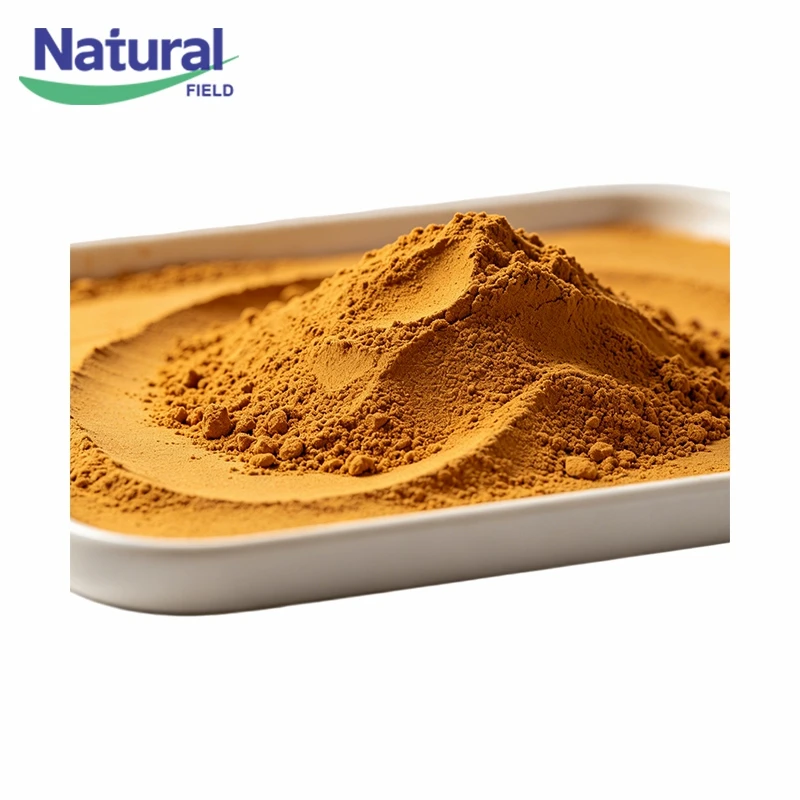
If you are interested in learning more about our products and how they may contribute to reducing the risk of stroke, or if you are a business looking to source high – quality Vitamins & Nutritional Actives, I encourage you to contact us for a procurement discussion. We are committed to providing the best possible solutions for your health and business needs.
Botanical Extract Ingredients References
- Ebbing M, Bønaa KH, Njølstad I, et al. Homocysteine – lowering and cardiovascular events after acute myocardial infarction. The New England Journal of Medicine. 2008;358(15):1578 – 1588.
- Lonn E, Yusuf S, Arnold MJ, et al. Homocysteine lowering with folic acid and B – vitamins in vascular disease. The New England Journal of Medicine. 2006;354(15):1567 – 1577.
- Miller ER 3rd, Pastor – Barnet M, Dalal D, et al. Meta – analysis: high – dose vitamin E supplementation may increase all – cause mortality. Annals of Internal Medicine. 2005;142(1):37 – 46.
- Geleijnse JM, Giltay EJ, van der Kuip DA, et al. Long – term effects of homocysteine – lowering on cardiovascular events and total mortality: the VITATOPS randomized controlled trial. JAMA. 2013;310(20):2172 – 2180.
- Mozaffarian D, Rimm EB. Fish intake, contaminants, and human health: evaluating the risks and the benefits. JAMA. 2006;296(15):1885 – 1899.
Natural Field Co., Ltd.
Natural Field Co., Ltd. is one of the most professional vitamins & nutritional actives manufacturers and suppliers in China, featured by quality products and good price. Please feel free to buy bulk CE approved vitamins & nutritional actives from our factory. For more discount information, contact us now.
Address: Room 505, Building B, Rongcheng Yungu, No. 57 Keji 3rd Road, Zhangba Subdistrict, High-tech Zone, Xi’an, Shaanxi, China
E-mail: info@natural-field.com
WebSite: https://www.naturalfieldtech.com/
