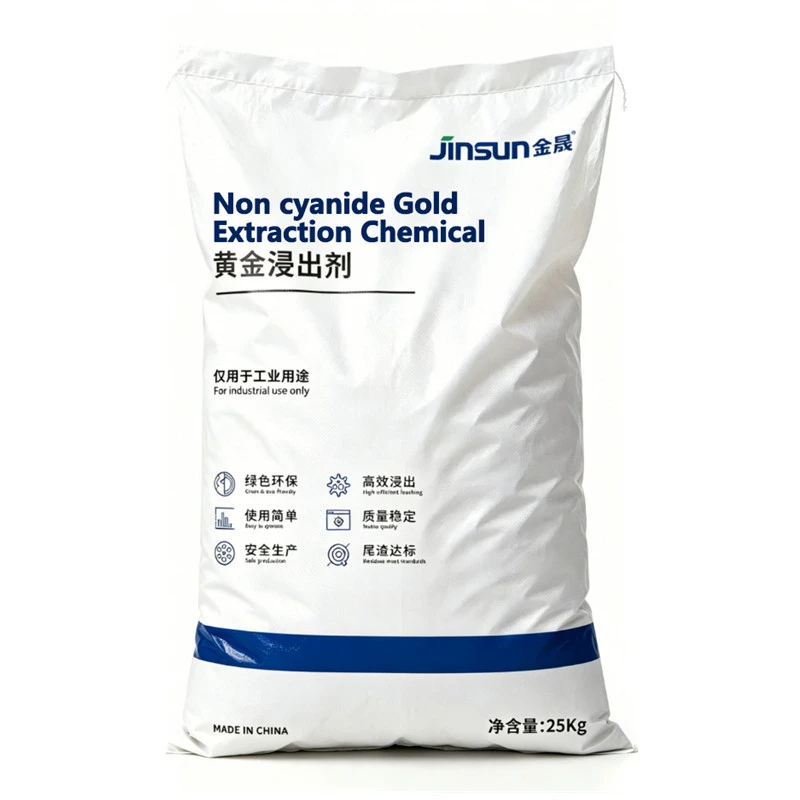
Selectivity is a crucial factor in the performance of gold dressing agents. As a supplier of gold dressing agents, I understand the significance of enhancing selectivity to improve gold recovery rates and reduce costs. In this blog post, I will share some insights and strategies on how to improve the selectivity of a gold dressing agent. Gold Dressing Agent
Understanding the Concept of Selectivity in Gold Dressing
Selectivity in gold dressing refers to the ability of a dressing agent to preferentially interact with gold particles while minimizing its interaction with other minerals or gangue materials present in the ore. A highly selective gold dressing agent can effectively separate gold from the surrounding matrix, leading to higher purity gold concentrates. This is essential for the economic viability of gold mining operations, as it reduces the amount of processing required to obtain market – grade gold.
Factors Affecting the Selectivity of Gold Dressing Agents
Ore Characteristics
The mineralogical composition of the ore plays a significant role in the selectivity of the dressing agent. Different types of ores contain various gangue minerals such as quartz, feldspar, pyrite, and others. Some gangue minerals may have surface properties that are similar to gold, making it difficult for the dressing agent to distinguish between them. For example, pyrite can be a major problem in gold dressing as it often co – exists with gold and can be easily activated by the same reagents. Understanding the specific ore characteristics through detailed mineralogical analysis is the first step in improving selectivity.
Chemical Properties of the Dressing Agent
The chemical structure and functional groups of the gold dressing agent determine its affinity towards gold and other minerals. Agents with specific functional groups that can form strong chemical bonds with gold atoms are more likely to be selective. For instance, thiol – containing compounds are known to have a high affinity for gold due to the strong interaction between the sulfur atom in the thiol group and the gold surface. The pH of the dressing solution also affects the chemical properties of the agent and its interaction with minerals. Different agents may perform optimally at different pH ranges, and adjusting the pH can enhance selectivity.
Process Conditions
The agitation speed, temperature, and residence time during the dressing process can all influence selectivity. Adequate agitation is necessary to ensure good contact between the dressing agent and the gold particles, but excessive agitation may cause the agent to interact with gangue minerals as well. Temperature can affect the reaction rate between the agent and the minerals. In some cases, increasing the temperature can improve the selectivity by promoting the desired chemical reactions with gold while suppressing those with gangue minerals. The residence time, or the time the agent spends in contact with the ore, also needs to be carefully controlled. Too short a residence time may result in incomplete interaction with gold, while too long a time may lead to non – selective adsorption on gangue minerals.
Strategies to Improve Selectivity
Custom – Designing Dressing Agents
Based on the specific ore characteristics, we can custom – design gold dressing agents. By modifying the chemical structure of the agent, we can introduce functional groups that have a higher affinity for gold and a lower affinity for gangue minerals. For example, if the ore contains a large amount of pyrite, we can design an agent that can selectively adsorb on gold while being repelled by pyrite. This involves in – depth research and development, using techniques such as molecular modeling to predict the interaction between the agent and different minerals.
Pretreatment of the Ore
Pretreatment of the ore can significantly improve the selectivity of the dressing agent. One common pretreatment method is roasting, which can change the surface properties of the minerals. For example, roasting pyrite – rich ores can convert pyrite to hematite, which has different surface reactivity compared to pyrite. This makes it easier for the dressing agent to distinguish between gold and the gangue minerals. Another pretreatment method is grinding the ore to an appropriate particle size. Fine grinding can expose more gold particles, increasing their accessibility to the dressing agent, while also reducing the surface area of gangue minerals that may interfere with the dressing process.
Optimization of Process Parameters
As mentioned earlier, process parameters such as agitation speed, temperature, and residence time need to be optimized. We can conduct a series of laboratory tests to determine the optimal values for these parameters. For example, by varying the agitation speed in a laboratory – scale flotation cell, we can observe how it affects the selectivity of the dressing agent. Similarly, by adjusting the temperature and residence time, we can find the conditions that maximize the interaction between the agent and gold while minimizing its interaction with gangue minerals.
Use of Inhibitors and Activators
Inhibitors are substances that can prevent the dressing agent from interacting with gangue minerals, while activators can enhance its interaction with gold. For example, sodium cyanide can be used as an activator for gold in some cases, as it can increase the surface reactivity of gold particles, making them more likely to adsorb the dressing agent. On the other hand, substances like dextrin can be used as inhibitors for certain gangue minerals, such as quartz. By carefully selecting and using inhibitors and activators, we can improve the selectivity of the gold dressing agent.
Case Studies
Let’s take a look at a couple of case studies to illustrate the effectiveness of these strategies. In a gold mine in South America, the ore contained a significant amount of pyrite, which was causing low selectivity and poor gold recovery. By custom – designing a dressing agent with a specific functional group that had a high affinity for gold and a low affinity for pyrite, and by pretreating the ore through roasting, the selectivity of the dressing process was significantly improved. The gold recovery rate increased from 60% to over 80%, resulting in a substantial increase in the mine’s profitability.
In another case in Australia, a gold dressing plant was facing challenges due to the presence of fine – grained gangue minerals. By optimizing the process parameters, including adjusting the agitation speed and increasing the residence time, and by using appropriate inhibitors, the selectivity of the dressing agent was enhanced. This led to a reduction in the amount of gangue minerals in the gold concentrate, improving its purity and market value.
Conclusion
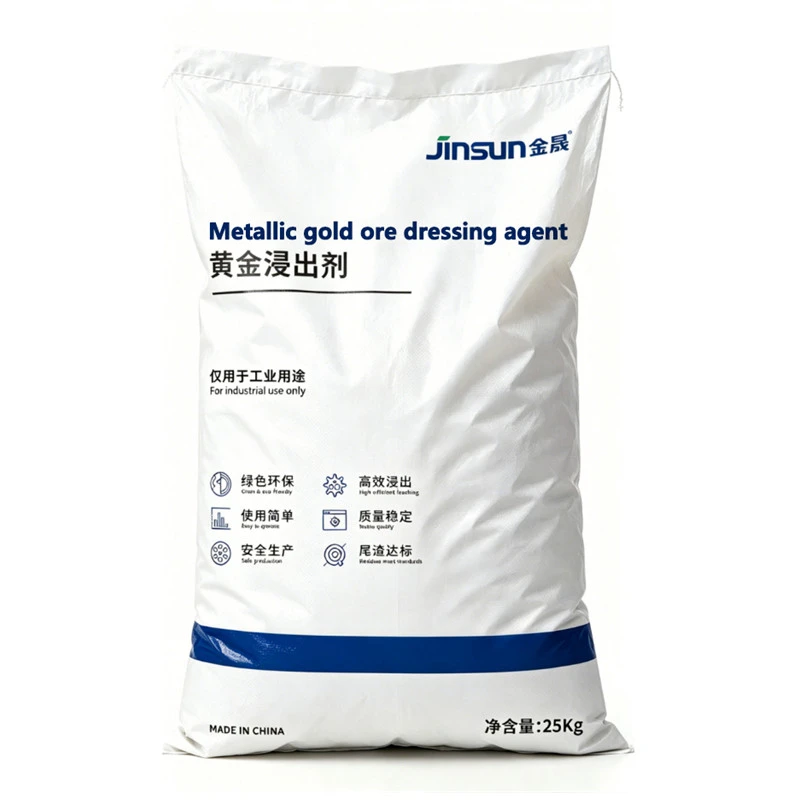
Improving the selectivity of a gold dressing agent is a complex but achievable task. By understanding the factors that affect selectivity, implementing strategies such as custom – designing agents, ore pretreatment, process parameter optimization, and the use of inhibitors and activators, we can significantly enhance the performance of the dressing process. As a supplier of gold dressing agents, we are committed to providing high – quality products and technical support to help our customers achieve better selectivity and higher gold recovery rates.
Gold Dressing Agent If you are looking for a reliable gold dressing agent supplier and want to discuss how we can improve the selectivity of your gold dressing process, please feel free to contact us for procurement and further negotiation.
References
- Smith, J. (2018). "Advances in Gold Dressing Technology". Journal of Mining Science, 54(3), 345 – 356.
- Brown, A. (2019). "Selectivity in Mineral Flotation: A Review". Mineral Processing and Extractive Metallurgy Review, 40(2), 123 – 135.
- Johnson, M. et al. (2020). "Custom – Designing Gold Dressing Agents for Enhanced Selectivity". Transactions of the Institution of Mining and Metallurgy (Section C: Mineral Processing and Extractive Metallurgy), 129(4), 221 – 230.
Jinsun Chemical (Guangdong) Co., Ltd.
We are one of the most professional gold dressing agent manufacturers and suppliers in China, featured by quality products and good price. Please rest assured to buy customized gold dressing agent made in China here from our factory. Also, pricelist is available.
Address: Room 101&102, Building B1, No.136 Kaiyuan Avenue, Huangpu District, Guangzhou City
E-mail: Wangqun@jinsheng-chemical.com
WebSite: https://www.jinsunchem.com/
