Hey there! I’m a supplier of abrasive pads, and one question I get asked a lot is, "What is the lifespan of an abrasive pad?" It’s a great question, and the answer isn’t as straightforward as you might think. In this blog post, I’ll break down the factors that affect the lifespan of abrasive pads and give you some tips on how to make them last longer. Abrasive Pads
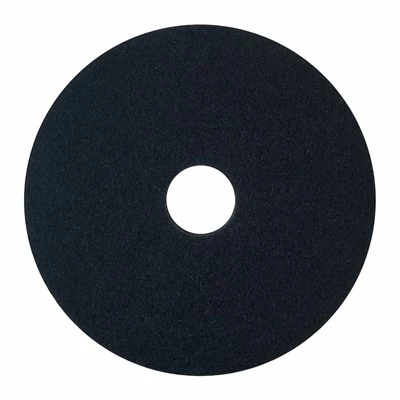
Factors Affecting the Lifespan of Abrasive Pads
Type of Abrasive Material
The type of abrasive material used in the pad is a huge factor. There are different kinds, like aluminum oxide, silicon carbide, and diamond grit. Aluminum oxide is the most common. It’s tough and can handle a lot of wear and tear. It’s great for general – purpose sanding and lasts a good while when used for things like sanding wood or metal.
Silicon carbide is sharper and more brittle compared to aluminum oxide. It works really well for sanding hard materials like glass, ceramic, and some plastics. But because it’s brittle, the abrasive grains can break off more easily, so its lifespan might be shorter, especially if you’re applying a lot of pressure.
Diamond grit is the top – dog when it comes to hardness. It’s used for the toughest jobs, like cutting and sanding stone or concrete. Diamond abrasive pads can last a really long time, but they’re also more expensive.
Grit Size
The grit size of the abrasive pad also plays a role. Coarse – grit pads, like those with a grit of 40 or 60, are used for heavy – duty material removal. They work fast but can wear out quicker because they’re taking off more material at once.
On the other hand, fine – grit pads, say 220 or higher, are used for finishing touches. They remove less material, so they tend to last longer. But if you try to use a fine – grit pad for heavy material removal, it’ll get clogged up and lose its effectiveness pretty fast.
Application and Surface
What you’re using the abrasive pad on matters big time. If you’re sanding a soft surface like pine wood, the pad will last longer than if you’re sanding a hard surface like stainless steel. Hard surfaces are more abrasive to the pad itself, causing the abrasive grains to dull or break off faster.
Also, the condition of the surface matters. If the surface has a lot of bumps, rough edges, or contaminants, the pad will have to work harder, and its lifespan will be reduced.
Pressure and Usage Technique
How much pressure you apply when using the abrasive pad makes a difference. Applying too much pressure can cause the abrasive grains to break off prematurely. It’s like pushing too hard on a pencil; the lead will break.
Your usage technique also counts. If you’re sanding in a haphazard way, the pad won’t wear evenly, and parts of it might get used up faster than others. For example, if you keep going over the same spot again and again, that part of the pad will wear out, while other parts are still in good condition.
Estimating the Lifespan
It’s super hard to give an exact number for how long an abrasive pad will last. But here are some general ball – park estimates based on different scenarios:
- Light – duty household use: If you’re just doing some simple DIY sanding around the house, like sanding a small piece of furniture or a picture frame, a medium – grit aluminum oxide pad could last anywhere from 10 to 20 sanding jobs. That’s a rough estimate, depending on how much pressure you use and the type of wood.
- Medium – duty industrial use: In an industrial shop where you’re sanding metal parts or wood for cabinetry on a regular basis, a medium – grit pad might last between 5 to 10 hours of continuous use.
- Heavy – duty construction use: When you’re using abrasive pads for things like sanding concrete floors or removing paint from large metal structures, a pad could wear out in as little as 1 to 2 hours.
Tips to Extend the Lifespan of Abrasive Pads
Proper Storage
Storing your abrasive pads correctly can make a big difference. Keep them in a dry place, away from moisture. Moisture can cause the abrasive grains to rust or clump together, which will reduce their effectiveness. Also, don’t stack heavy things on top of the pads, as this can damage the abrasive surface.
Cleaning
Regularly cleaning your abrasive pads can help them last longer. If you’re using a pad on a surface that produces a lot of dust, like wood or drywall, the dust can clog up the pores between the abrasive grains. You can clean the pad by tapping it gently on a hard surface or using a brush to remove the dust. For more stubborn debris, you can soak the pad in a mild cleaning solution and then rinse it off.
Using the Right Pad for the Job
This might sound obvious, but using the correct abrasive pad for the task at hand is crucial. Don’t try to use a fine – grit pad for heavy – duty material removal, and don’t use a coarse – grit pad for a delicate finishing job. Using the right pad will not only make your work more efficient but also extend the lifespan of the pad.
Conclusion
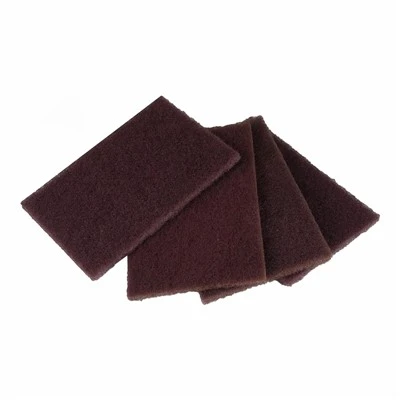
So, as you can see, the lifespan of an abrasive pad depends on a bunch of factors. There’s no one – size – fits – all answer to how long an abrasive pad will last. But by understanding the factors that affect its lifespan and following the tips I’ve shared, you can get the most out of your abrasive pads.
Scouring Pads If you’re in the market for high – quality abrasive pads, I’m here to help. Whether you’re a DIY enthusiast, a professional in the woodworking industry, or someone in the construction business, I’ve got a wide range of abrasive pads to meet your needs. Reach out to me to start a conversation about your abrasive pad requirements and let’s get you the best products for your projects.
References
- "Abrasive Technology Handbook"
- Industry research on abrasive materials and their applications
Guangzhou YION New Material Technology Co., Ltd.
As one of the most professional abrasive pads manufacturers and suppliers in China, we offer a wide range of products with superior quality. Please feel free to buy customized abrasive pads made in China here from our factory. Also, quotation is available.
Address: Room 110, Building 2, No. 2 Jinhuan Street, Nansha District, Guangzhou City, Guangdong Province, China.
E-mail: info@yiontech.cn
WebSite: https://www.yionpads.com/
